
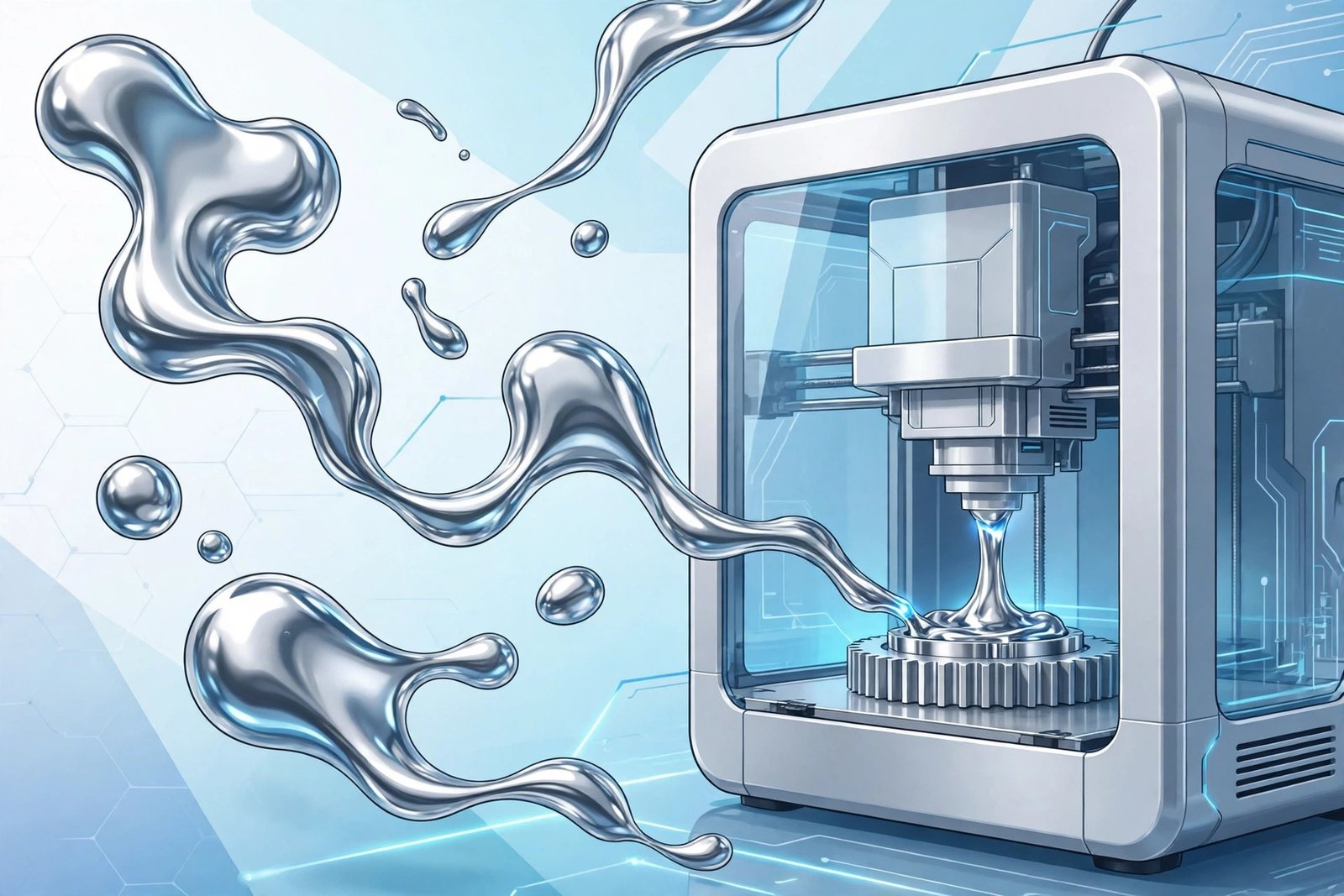
Metal has been part of technology since the first wires and screws, but something new is happening. Engineers are now printing metal parts layer by layer, cooling chips with liquid metal, and building phones from alloys that were impossible to shape a decade ago. That is metallic technology: the use of metals in new ways to make tech faster, tougher, and lighter.
You touch metallic technology every day without noticing it. The frame of your phone, the hinge of your laptop, the heat sink inside your console — all of them depend on metals doing jobs plastic cannot. This guide explains what metallic technology is, where it shows up, and where it is headed.
What Is Metallic Technology?
Metallic technology covers the metals, alloys, and metal-based processes used in modern devices. An alloy is a mix of two or more metals, designed to be stronger, lighter, or more resistant to heat than any single metal on its own. Aluminium, titanium, steel, copper, and magnesium are the names you will meet most often.
What makes the field exciting now is not the metals themselves but the new ways of shaping them. Metal 3D printing builds parts one thin layer at a time. Liquid metal cooling moves heat away from chips far faster than air. New alloys let designers make devices thinner without making them weaker. Metallic technology keeps pushing those limits further.
Metallic Technology in Everyday Devices
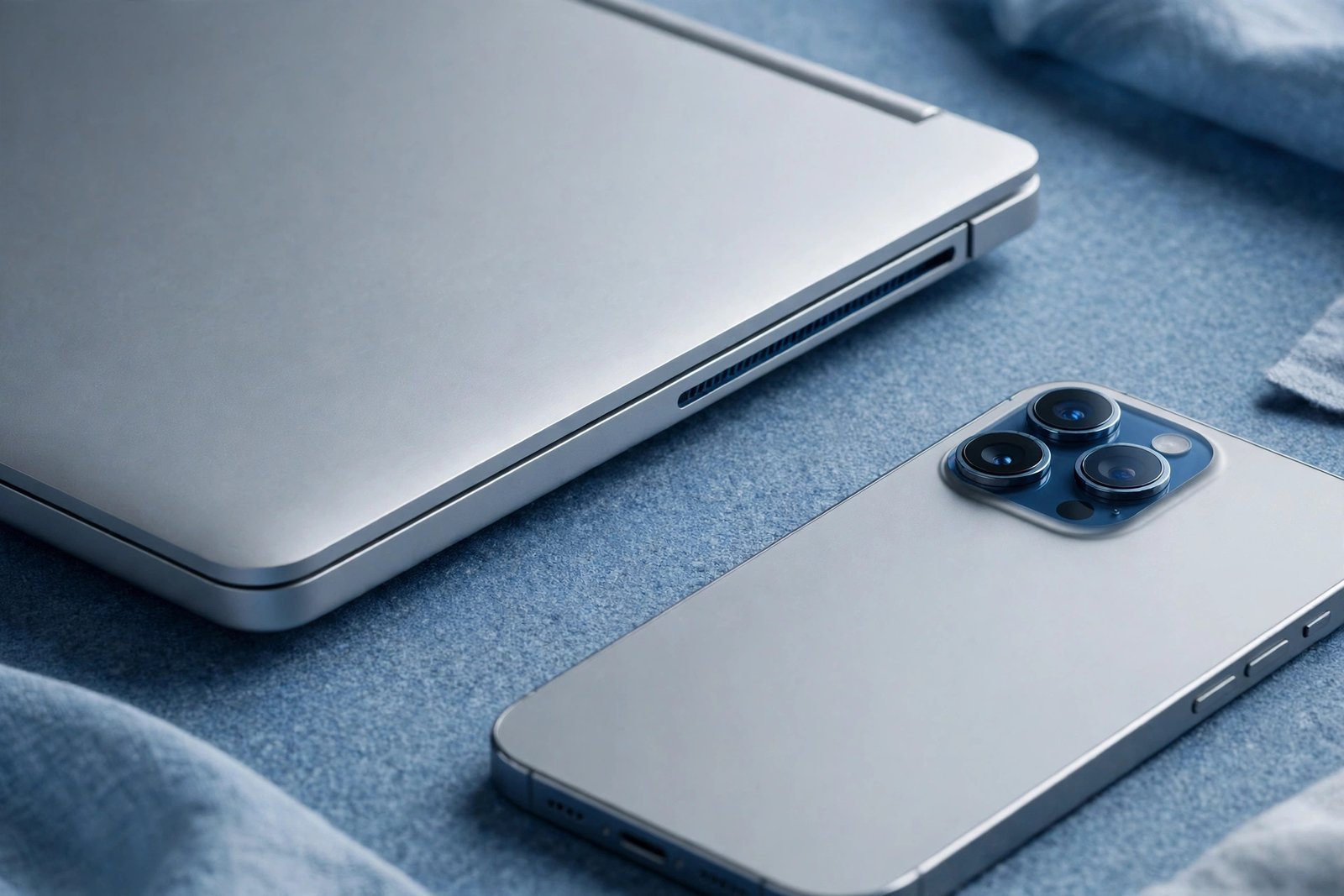
Start with your phone. Most modern phones use an aluminium or titanium frame. The metal protects the glass, gives the phone its weight and feel, and helps carry heat away from the processor. A plastic phone can be tough too, but it cannot match the premium feel and heat handling of metal.
Laptops tell the same story. Many student laptops now use a metal body, and the best budget laptops for students show how common that has become — a thin aluminium shell that survives daily life in a bag. Metal also helps laptops stay cool, which keeps them quiet and fast for longer.
Inside every device, copper does the quiet work. It carries electricity through wires and circuit boards, and it pulls heat away from hot chips. Without copper, your gadgets would overheat in minutes. It is not glamorous, but no device works without it. It is one of the simplest examples of metallic technology in everyday use.
Even the parts you never see use metal. Screws, springs, connectors, and antennas are all metal, and each one is shaped to do one job well. Designing a metal part often takes a team, and co technology plays a part when engineers share models and test results across different offices.
Metal 3D Printing and Liquid Metal
Metal 3D printing is one of the biggest changes in manufacturing. Instead of cutting a part out of a solid block, a printer builds it up layer by layer from metal powder. That means shapes that were impossible before — hollow parts, complex curves, and pieces with channels inside them — are now routine. Factories use it for aircraft parts, medical implants, and custom tools.
Liquid metal sounds like science fiction, but it is real. Certain metal alloys stay liquid at room temperature, and they move heat far better than the pastes used in most computers. Some high-end laptops and gaming machines already use liquid metal to cool their chips, which lets them run faster without getting louder.
Both of these are examples of metallic technology moving from labs into products. Both are still expensive for everyday items, but their costs fall every year. What starts in aircraft and gaming machines usually reaches normal products within a few years. That steady move from labs to products is how metallic technology spreads.
Metal in Cars and Planes
Cars and planes use more metal than any gadget you own, and the same ideas apply at a bigger scale. A car body made from aluminium is lighter than a steel one, and a lighter car uses less fuel and handles better. Electric cars take this further: their battery cases are metal boxes built to protect the cells inside from crashes and heat. Metallic technology makes that protection possible at scale.
Planes push the idea hardest. A modern aircraft uses aluminium for the body, titanium for the engine parts, and special alloys for the parts that get hottest. Every kilogram saved means more passengers, more cargo, or less fuel. Engineers spend years shaving weight from a single bracket, because across a whole plane those small savings add up to real money and real range.
The newest idea is printing metal parts for planes and cars. A printed bracket can be lighter than a machined one because the printer only puts metal where the part needs strength. Hollow sections, curved supports, and internal channels are all possible. Factories already fly printed parts in real aircraft, and car makers use them for prototypes and low-volume models.
Safety rules slow the spread. A printed part for a plane must pass years of testing before it flies with passengers. That caution is sensible — but the direction is clear. Metal printing is moving from experiments to everyday manufacturing, one certified part at a time.
Where Metallic Technology Is Headed
Three directions look most promising. First, lighter alloys for cars and planes, where every kilogram saved means less fuel burned. Second, better cooling for AI hardware, where chips run hotter than ever and need metal-based solutions to keep up. Third, recycling: new methods recover metals from old devices more cleanly, so the next generation of gadgets can be built from the last one. Metallic technology will shape all three of those directions.
There are limits too. Metals are heavy, they cost more than plastic, and mining them has an environmental cost. The best designs use metal only where it earns its place — the frame, the hinge, the heat sink — and lighter materials everywhere else.
Medicine is another direction. Surgeons already use printed metal implants shaped to fit one patient: a hip, a jaw, or a spinal part made to match the body exactly. These implants fit better and heal faster than standard sizes. As printing gets cheaper, custom implants will become normal rather than rare.
Dentists use printed metal too, for crowns and bridges that match a patient’s bite. The same technology that builds a plane bracket builds a tooth — the scale changes, the idea does not.
How to Spot Good Metal Design When Shopping
You do not need an engineering degree to judge metal design. Start with the frame. Pick the device up. A metal frame feels cool, solid, and slightly heavy for its size. A plastic frame with a metallic paint job feels light and warm. The difference is obvious once you know what to look for.
Check the hinge and the buttons. A good metal hinge opens smoothly and holds its position. Buttons should click firmly, not wobble. These small details tell you how much care went into the build.
Read reviews about heat. A metal body spreads heat well, which is good — but it also means the outside can feel warm during heavy use. Reviews usually mention this. If many reviewers complain about heat, the cooling design may be weaker than the metal suggests.
Look at the weight. Metal adds weight, and makers sometimes hide it by making the battery smaller. Compare the weight and the battery size together. A light metal device with a tiny battery is a trade-off, not a free win.
Finally, check the finish. Brushed metal hides fingerprints and scratches better than polished metal. If you carry the device daily, a brushed or matte finish will look newer for longer.
And remember the inside matters as much as the outside. A beautiful metal shell with weak cooling is still a weak device. Read the performance reviews, not just the design photos. Metallic technology rewards buyers who look beyond the screen.
Frequently Asked Questions
Is metallic technology safe?
Yes, for everyday use. The metals in phones and laptops are stable and sealed inside the device. The risks sit in factories, where workers handle metal powders and follow safety rules for that reason.
Why do phones use titanium now?
Titanium is strong for its weight and resists scratches well. It lets makers build a thinner, lighter frame without giving up toughness. It costs more than aluminium, which is why it appears in premium models first.
What is liquid metal cooling?
It is a cooling method that uses a metal alloy that stays liquid at room temperature to move heat away from a chip. It transfers heat better than standard thermal paste, so the chip can run faster.
Will metal 3D printing replace normal factories?
No, not soon. It is best for complex, low-volume parts. Mass production of simple parts is still cheaper with traditional methods like casting and stamping.
Does a metal phone get hotter than a plastic one?
The outside can feel warmer, because metal moves heat from the chip to the surface faster. That is actually a good sign: the heat is leaving the chip instead of staying trapped inside. A plastic phone feels cooler on the outside, but its chip may be running hotter.
The Bottom Line
Metallic technology is easy to miss because it hides inside the devices you already use. It is the frame that survives a drop, the copper that keeps the chip cool, and the printer that builds parts no mould could make. Watch the cooling and the materials, not just the screen, and you will see where tech is really improving.

1 Comment
Pingback: Tech 5: 5 Best Tech Picks You Should Try in 2026