
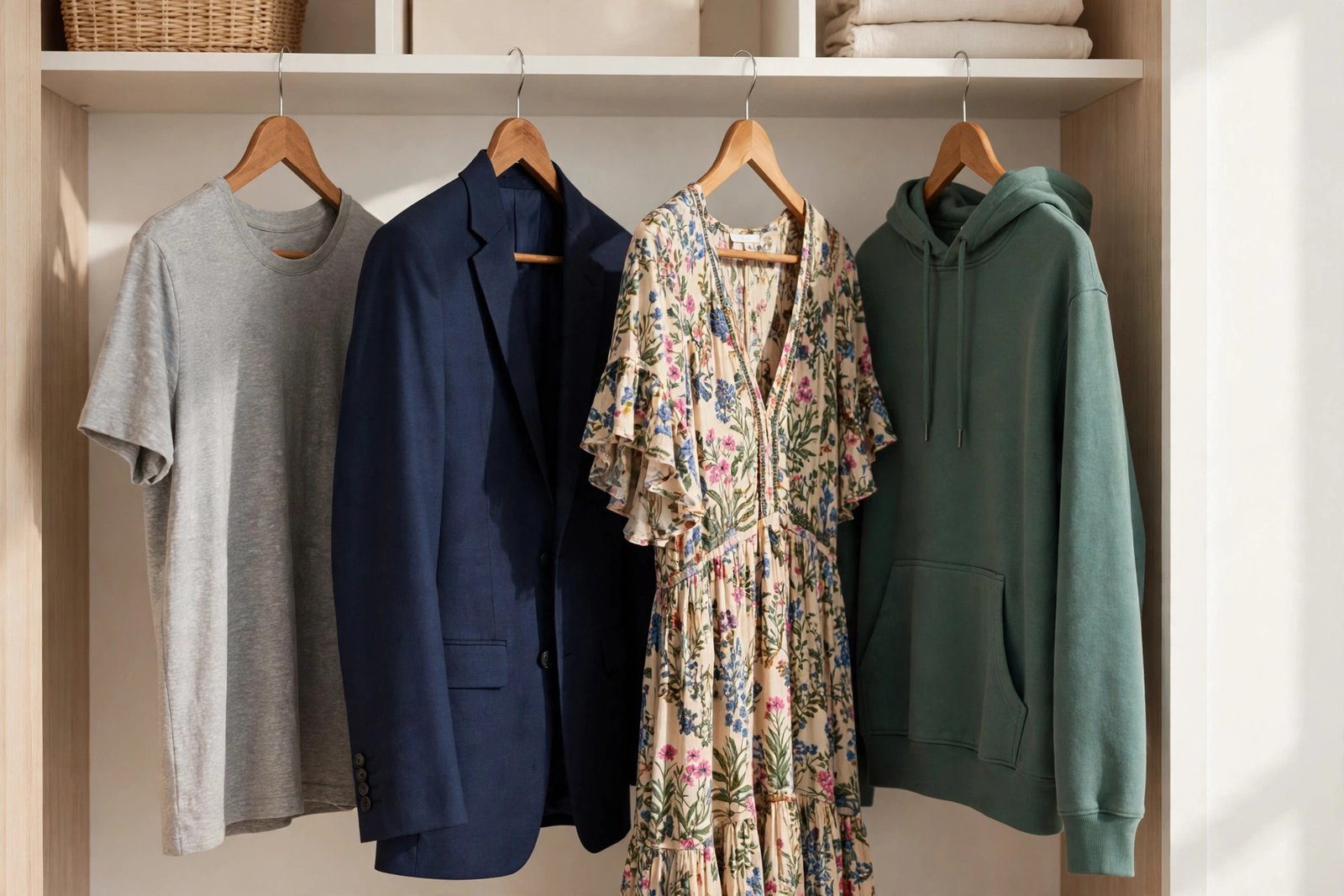
Ask ten people how they dress and you will get ten different answers. Some live in jeans and t-shirts. Others love dresses and heels. Some mix everything. Style is personal, but the names for different styles can be confusing. What is “boho”? What counts as “street style”? This guide gives you a clear list different styles of clothing, explained in plain words, so you can find the ones that suit you.
You do not need to pick just one style. Most people mix two or three. The point of this list is to help you name what you like, so shopping and getting dressed get easier. Use this list different styles of clothing as a quick reference whenever you plan an outfit.
List Different Styles of Clothing: Why It Helps to Know Them
When you can name a style, you can search for it, shop for it, and build outfits around it. Without names, you just scroll and hope. With names, you walk into a shop knowing what to look for. If you search for a list different styles of clothing online, you will find dozens of versions, but most of them are just names with no explanation. This guide gives you the meaning behind each name, so you can actually use it.
Knowing styles also saves money. If you know you love classic style, you stop buying trendy pieces that you wear once. If you know you love casual style, you stop buying stiff formal clothes that sit in the closet. A clear sense of your style means fewer wasted buys.
It also helps you mix outfits. Most good outfits are a mix of styles: a formal blazer over a casual t-shirt, or a boho dress with street-style sneakers. Once you know the pieces, mixing them becomes fun instead of confusing. A list different styles of clothing makes it easier to spot which pieces can be mixed.
List Different Styles of Clothing: The 10 Styles
Here is a simple list different styles of clothing, with a short description of each.
1. Casual style
Casual is the everyday default: jeans, t-shirts, sneakers and simple dresses. It is comfortable, easy and relaxed. Most people wear casual style most days. The key is clean, well-fitting basics rather than anything fancy.
2. Formal style
Formal means smart and structured: suits, blazers, tailored trousers, pencil skirts and heels. It suits offices, weddings and events where you need to look polished. The fabrics are usually smooth and the colours calm.
3. Classic style
Classic style never really changes: a white shirt, a navy blazer, straight jeans, a simple black dress. It is timeless and neat. People who love classic style buy fewer, better pieces and wear them for years.
4. Bohemian (boho) style
Boho is relaxed and free: flowy dresses, loose tops, earthy colours, fringes and floral prints. It suits warm weather and creative people. Layering is common — a long skirt with a loose top and a scarf, for example.
5. Street style
Street style comes from city life and youth culture: oversized hoodies, chunky sneakers, denim jackets, caps and graphic tees. It is bold, comfortable and a little rebellious. Street style was a huge part of trend 2018 and it is still going strong.
6. Sporty style
Sporty style takes gym clothes into everyday life: leggings, trainers, hoodies, track jackets and caps. It is the most comfortable style on this list and works well for travel, errands and active days.
7. Vintage style
Vintage means clothes inspired by past decades: 1950s swing dresses, 1970s flares, 1990s slip dresses. It can be real second-hand pieces or new clothes made in old styles. Vintage suits people who like clothes with character.
8. Minimalist style
Minimalist style is less but better: plain colours, clean lines, no fuss. Black, white, beige and grey dominate. Outfits are simple — a plain top, straight trousers, clean shoes. It looks calm and expensive without trying hard.
9. Romantic style
Romantic style is soft and pretty: ruffles, lace, pastel colours, floral prints and flowing skirts. It suits dates, parties and anyone who loves a gentle, feminine look. The fabrics are usually light and the shapes are soft.
10. Preppy style
Preppy style is neat and smart-casual: polo shirts, chinos, blazers, loafers and striped tops. It looks clean and put together without being formal. It works well for school, work and smart day events.
How to Find Your Own Style
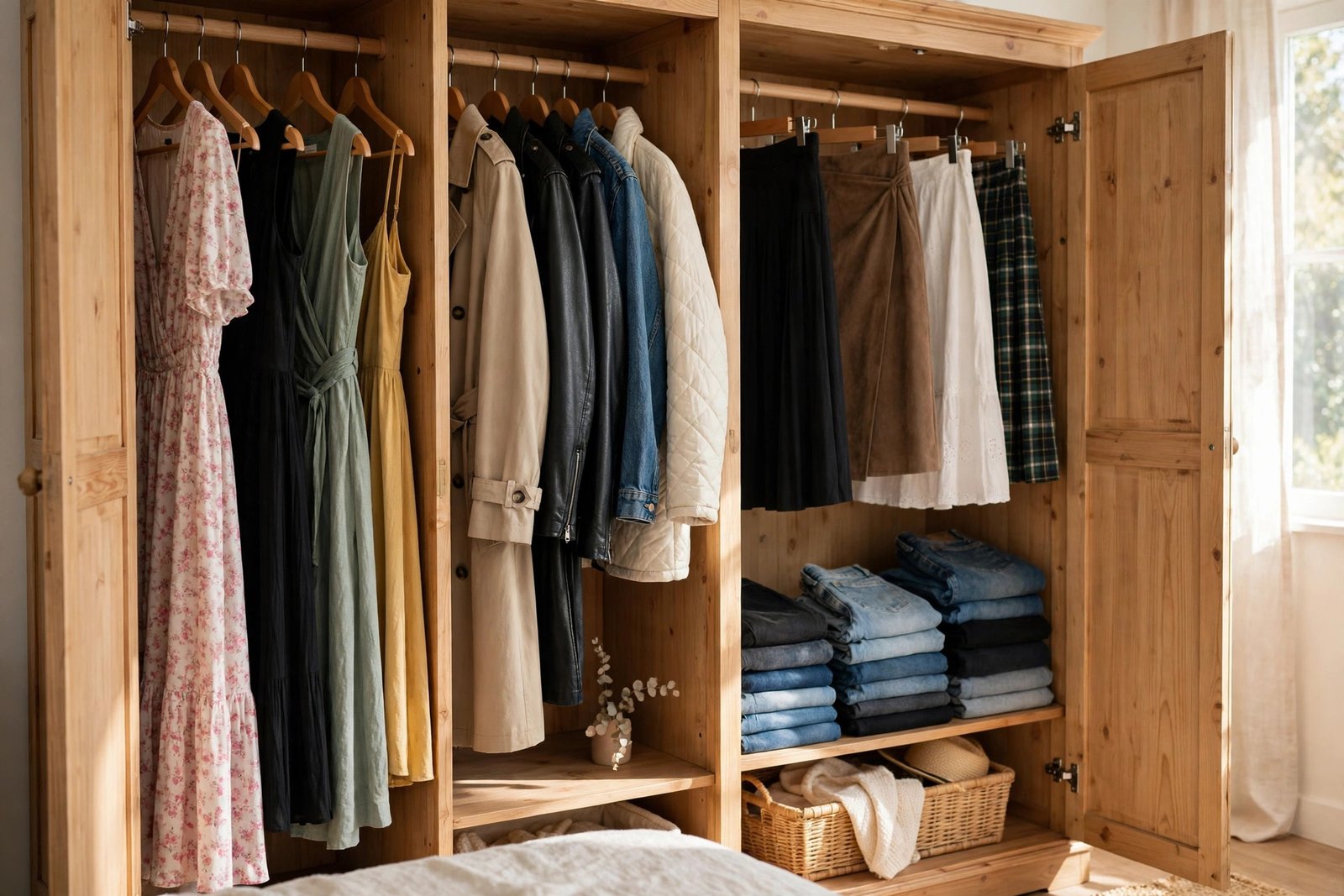
Start by looking at what you already wear. Open your closet and notice which pieces you reach for again and again. Those are your real style, whatever the labels say. Go through the list different styles of clothing above and mark the two or three that feel most like you, then build your next few outfits around those. If you always pick jeans and a soft top, your base is casual. If you always reach for dresses, your base is probably romantic or classic.
Next, try one new style at a time. Pick the one from the list that caught your eye and try a single piece — a boho dress, a minimalist top, a vintage skirt. Wear it for a day and see how it feels. If you keep reaching for it, the style suits you. If it sits in the closet, it does not, and that is fine too.
Photos help. Save outfits you like from social media or magazines, then look for the pattern. Are they mostly casual? Mostly formal? Mostly one colour? The pattern shows your taste more honestly than any quiz. A list different styles of clothing can help you name the pattern you see in the photos you save.
Comfort is the final test. A style that looks great but feels wrong will not last. The best style for you is the one you enjoy wearing all day, not the one that looks best in a photo.
Mixing Styles Without Looking Messy
Most people do not wear one style all the time. The trick is to mix with a plan. A good rule is one main style plus one accent. A formal blazer (formal) over a graphic tee (street) is a classic mix. A boho dress with clean white sneakers (sporty) is another. This list different styles of clothing shows how one main style plus one accent can work.
Keep colours calm when you mix. If the styles are different, matching colours tie the outfit together. A black blazer and black sneakers look planned, even though they come from different styles. Keep this list different styles of clothing in mind when you mix, and the combinations get easier to see.
A good way to practise is to build three outfits from the same base piece. Take a plain white shirt and wear it three ways: with jeans for a casual look, with a blazer for a formal look, and tucked into a flowy skirt for a boho look. One shirt, three styles — and you learn fast which ones feel right on you.
Keep one piece simple. If you wear a bold vintage skirt, pair it with a plain top. If you wear a statement jacket, keep the rest quiet. One star per outfit is enough.
Common Mistakes When Trying New Styles
The first mistake is buying a whole new wardrobe at once. Style changes slowly. Buy one or two pieces, wear them, and see how they feel before buying more.
The second mistake is copying an outfit exactly. What looks good on one person may not suit another. Take the idea — the colours, the shape, the mix — and adapt it to your body and your life. A list different styles of clothing gives you the names to describe the idea you want to copy, so you can adapt it instead of copying it exactly.
The third mistake is ignoring your daily routine. A style that needs heels and dry cleaning will not work if you walk a lot and have no time for ironing. Pick styles that fit your real days. Another common mistake is buying a style just because a friend looks good in it. What suits her may not suit you, so always try a style on yourself before you commit.
Frequently Asked Questions
What are the most popular styles of clothing?
Casual, classic, formal and street styles are the most popular. Casual covers everyday wear, classic covers timeless pieces, formal covers work and events, and street style covers bold, comfortable city looks. Most people mix two or three of these.
How many clothing styles are there?
There are dozens of named styles, but most outfits fall into about ten main ones: casual, formal, classic, bohemian, street, sporty, vintage, minimalist, romantic and preppy. This list different styles of clothing covers the ten main ones, and within each one there are many smaller variations, so the real number is much higher.
Which clothing style is best for beginners?
Casual style is the easiest place to start, because it is comfortable and forgiving. Add one classic piece, like a good blazer or a plain white shirt, and you can dress up a casual outfit in seconds. From there, try one new style at a time.
Can I wear more than one clothing style?
Yes, and most people do. Mixing styles is normal and often looks better than wearing one style head to toe. The key is balance: one main style, one accent, and colours that work together. A formal blazer over a casual tee is a good example.
How do I know which clothing style suits me?
Look at what you already wear and enjoy. Check which pieces you reach for most, save outfits you like, and notice the pattern. Try one new style at a time and see how it feels over a full day. The style that feels comfortable and looks like you is the right one.
The Bottom Line
There is no single right way to dress. The list different styles of clothing in this guide — casual, formal, classic, boho, street, sporty, vintage, minimalist, romantic and preppy — are starting points, not rules. Most people mix a few of them, and the best outfits come from knowing what you like and wearing it with confidence. Start with what you already love, try one new style at a time, and build a wardrobe that fits your real life. And if you need a fun break while you sort your closet, Baamboozle has free games you can play with friends.

1 Comment
Pingback: Fall Autumn Outfit: 7 Best Cozy Ideas for 2026