
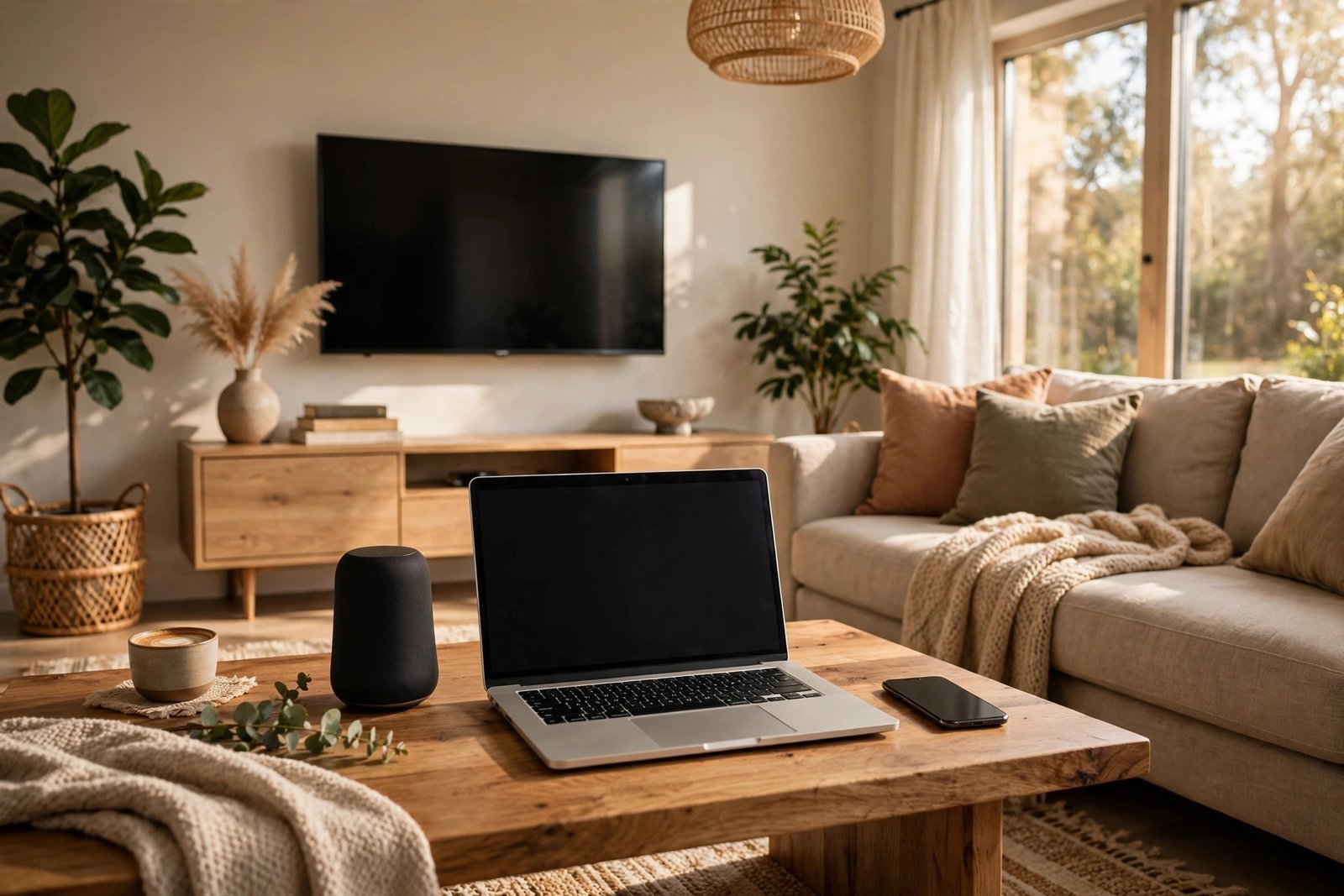
If you typed “where technology where” into a search box, you probably want a plain answer to a simple question: where does technology actually live in our lives? The short answer is everywhere. It is in your pocket, on your kitchen counter, at your office desk, and in your child’s classroom. It wakes you up in the morning, helps you pay bills, and keeps you in touch with people who live far away.
The question sounds odd at first, but it makes sense once you think about it. Technology used to sit in one room of the house. The family computer had its own desk, and you went to it when you needed it. That is no longer true. Today, the computer came to you. It shrank into your phone, moved into your television, and hid inside your watch and your car. Asking where technology where fits in daily life is really asking how much of your day runs on machines you barely notice.
This guide walks through the main places technology shows up, what it does in each one, and how to keep it helpful instead of letting it take over. No jargon, no long history lesson, just the places you will recognise from your own day.
In short, where technology where matters most is in the small, everyday moments you barely notice.
Where Technology Where Shows Up at Home
Your home is the first place to look. Walk through it slowly and count the screens and smart devices. The television streams shows from the internet. The phone charges on the bedside table. The Wi-Fi router blinks in the corner. The washing machine has a digital display, and the fridge in some homes has a screen that shows the weather and a shopping list.
The kitchen is a good example of how quiet this change has been. A microwave with preset buttons, a coffee maker with a timer, and a smart speaker that plays music or reads out a recipe all count as technology. None of them feel like a computer, but each one has a small chip inside that follows instructions. That is the whole idea: a chip plus a job to do.
Home technology also saves real effort. A robot vacuum cleans while you are out, a video doorbell shows you who is at the door, and smart lights turn themselves off when nobody is home. These small wins add up across a week.
One thing worth doing at home is a quick check of what is connected to your Wi-Fi. Most routers have an app or a settings page that lists every device. You might be surprised by the count. Printers, televisions, phones, tablets, watches, and even toys can all appear on that list. Knowing what is connected is the first step to keeping your home network safe.

Where Technology Where Fits at Work
Work is the second big place. Almost every job now touches a screen at some point. Office workers use email, spreadsheets, and video calls. Shop owners use card machines and stock apps. Delivery drivers follow maps on their phones. Farmers check weather forecasts and crop prices online. The tools change from job to job, but the pattern is the same: technology handles the repetitive parts so people can focus on the parts that need judgment.
Video calls are a clear example. A team spread across three cities can meet every morning without anyone travelling. Shared documents let two people edit the same file at the same time. A quick message replaces a walk across the building. These tools save hours every week, and they became normal so fast that we forget how new they are.
But work technology also brings new problems. Notifications never stop. The line between work time and home time gets blurry when the office lives in your pocket. A useful habit is to switch off work notifications after your workday ends. Your phone will still be there in the morning, and nothing urgent is lost by waiting a few hours.
If you want a wider look at how technology keeps changing, read our guide on technology trends. It covers the bigger shifts behind the tools you use every day at work.
At work, where technology where shows up most is in the tools that save you time.
Where Technology Where Helps in School and Learning
Schools changed just as much as offices. Students now submit homework online, watch lesson videos at home, and use apps to practise maths or learn a new language. Teachers use digital whiteboards, online quizzes, and shared folders to organise their classes. A student who misses a lesson can often catch up from a recording the same evening.
The change goes beyond the classroom. Libraries offer e-books you can borrow without leaving home. Free courses teach coding, design, and languages to anyone with an internet connection. A teenager in a small town can learn the same skills as a student in a big city, as long as both have a decent connection and a device.
Parents should talk with children about what they do online, not just how long they do it, so the child learns to use technology as a tool.
In learning, where technology where helps most is in giving every student the same chance to catch up.
Where Technology Where Lives in Your Pocket
Your phone is the most personal piece of technology you own. It is a camera, a map, a bank, a music player, a notebook, and a telephone all in one small box. Most people check it dozens of times a day without thinking about it. That is why the pocket deserves its own section in any honest answer to where technology where belongs.
The phone is useful because it is always with you. You can check a bus time while standing at the stop, translate a sign while travelling, or send money to a friend in seconds. It also holds your photos, your contacts, and your calendar, which makes losing it feel like losing part of your memory.
The risk is that the phone is built to grab your attention, so turn off notifications for everything except messages from real people and your calendar. Charge your phone outside the bedroom at night and you will sleep better.
In your pocket, where technology where lives closest to you is on the phone you check most often.
Where Technology Where Shapes Health and Daily Habits
Health is one area where technology quietly does a lot of good. A fitness tracker counts your steps, a smartwatch can warn you about an unusual heart rate, and health apps remind you to take medicine or book a doctor’s visit. Hospitals use the same idea on a bigger scale: scanners spot problems early and records move between departments in seconds. The risk is that screens also shape our bodies and our sleep. Many people sit all day and stare at a screen late at night. The fix is simple: a walk after lunch, a phone that charges outside the bedroom, and no screens in the last hour before sleep.
All of this shows that where technology where fits best is wherever it saves time without taking your attention.
How to Use Technology Without Letting It Take Over
Knowing where technology lives is only half the answer. The other half is staying in charge of it. Technology works best when you choose when to use it, instead of letting it choose for you.
Start with your mornings. Give yourself thirty minutes without a screen after you wake up. Eat breakfast, get ready, and plan your day before you open your inbox. The emails will wait, and your day will feel calmer.
Next, set one or two times a day to check news and social media, instead of checking all day. Most of what you see can wait a few hours. If something is truly urgent, someone will call you. This one change frees up more time than most people expect.
Finally, learn one new thing about a tool you already use. Most apps have features people never touch. A keyboard shortcut, a setting that blocks tracking, or a way to back up your photos can save you time and trouble later. For plain explanations of everyday tech, you can also browse simple tech guides written for non-experts.
Frequently Asked Questions
What does “where technology where” mean?
It is a search phrase people use when they want to know where technology appears in daily life. The answer is that it appears almost everywhere: at home, at work, in schools, in hospitals, and in your pocket. This guide walks through each of those places in plain words.
Where is technology used the most?
The most common places are the home and the workplace. At home, it runs entertainment, cooking, cleaning, and communication. At work, it runs email, meetings, payments, and record keeping. The phone ties both places together because it travels with you.
Is technology in every part of life now?
Almost. Very few daily tasks have no technology at all. Even a walk in the park often involves a phone for music or maps. The exceptions are small on purpose: a meal with family, a conversation with a friend, or time spent outdoors without a screen.
How can I reduce my screen time?
Turn off notifications for apps that do not need them, charge your phone outside the bedroom, and pick set times to check news and social media. Start small. Even cutting thirty minutes a day makes a real difference over a month.
Is technology good or bad for society?
It is both, and the balance depends on how we use it. Technology connects people, saves time, and spreads knowledge. It can also distract us, spread false information, and make us less patient. The aim is to use the good parts on purpose and limit the bad parts with simple habits.
The Bottom Line
The question of where technology where fits in your life has a simple answer: it fits almost everywhere, and most of it works quietly in the background. It wakes you, feeds you, helps you work, teaches your children, and keeps you in touch with the people you love. That is a lot of power for tools that fit in your pocket and sit on your shelves.
The goal is not to use more technology or less of it. The goal is to use it on purpose. Know where it lives, know what it does for you, and switch it off when you do not need it. Do that, and technology stays a tool instead of becoming a habit you never chose.
- Technology is in your home, your work, your school, and your pocket.
- Your phone is the single most used piece of tech in most people’s day.
- Simple habits beat expensive gadgets when it comes to staying in control.
- Check what is connected to your Wi-Fi at home at least once.
- Pick set times for news and social media instead of checking all day.
- Use technology for a clear purpose, then put it down.

1 Comment
Pingback: 7 Computer Innovations Examples That Changed Life