
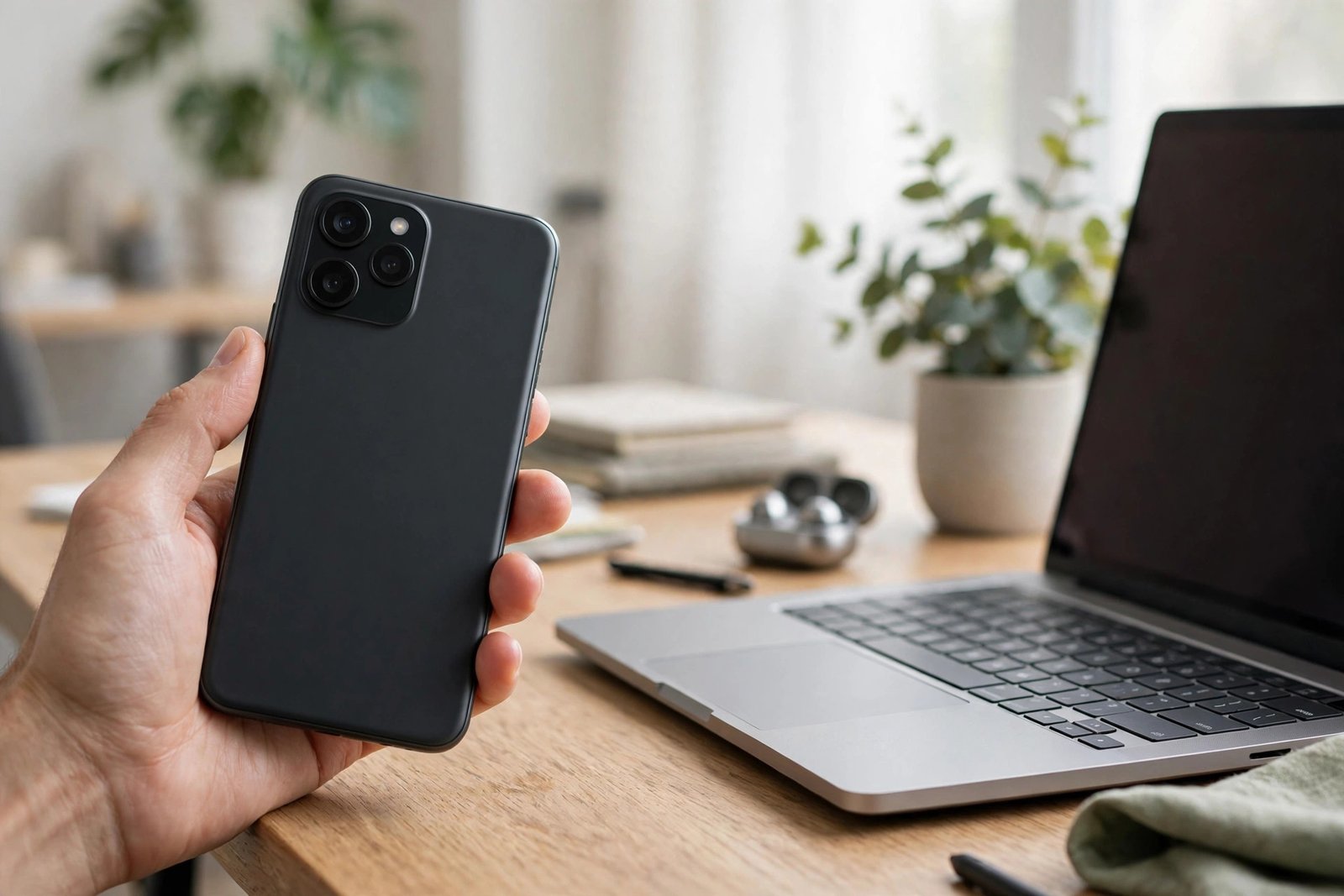
Is a phone a computer? It is a fair question, because phones look nothing like the big grey boxes people used to call computers. But the short answer is yes. Your phone is a computer. It has a processor, memory, storage and an operating system, just like a laptop. It runs apps, connects to the internet, and can do most of the jobs a computer does.
The confusion is natural. For years, “computer” meant a desktop or a laptop, and a phone was only for calls. That changed when phones gained touch screens, app stores and fast internet. The device in your pocket today is more powerful than the computers that sent people to the moon, and far more powerful than the average home computer from twenty years ago. It is no wonder people still ask, is a phone a computer, when the device in their pocket does so much.
So the real question is not whether a phone counts as a computer. It does. The real question is what it can do well, where it still falls short, and when you still need a laptop. This guide answers all three in plain words.
Is a Phone a Computer? Yes, and Here Is Why
A computer is defined by what it does, not by its shape. It takes input, processes information, stores results and shows output. Your phone does all four: you tap or speak, the processor works on the data, the files are saved, and the screen shows the result.
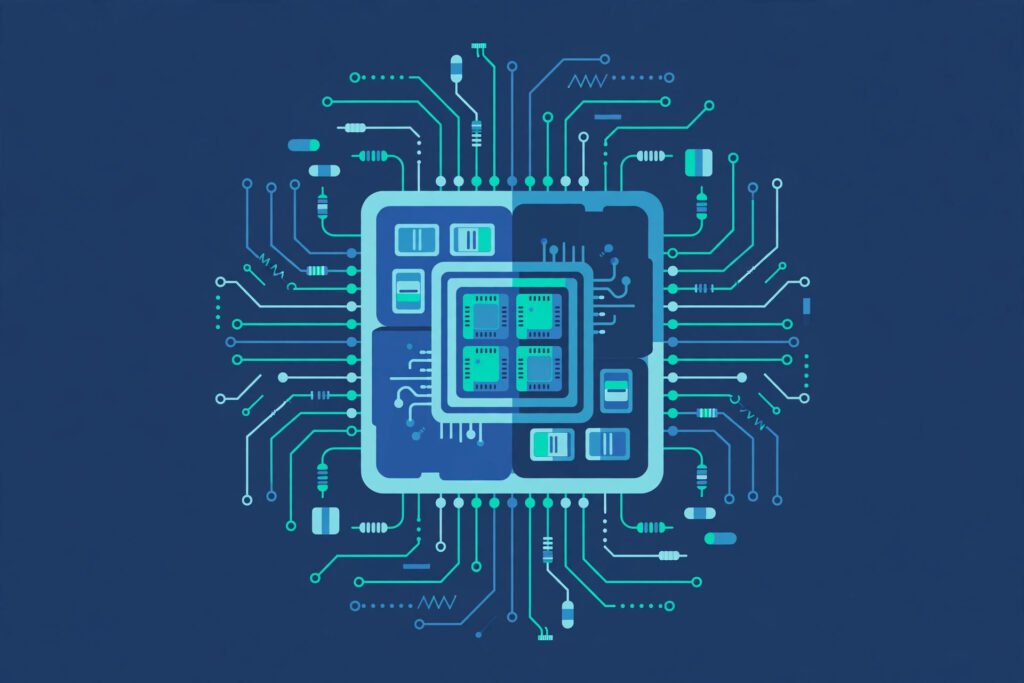
Inside, the parts match a laptop part for part. The processor runs the apps. The RAM holds what you are working on right now. The storage keeps your photos, files and apps. The operating system, Android or iOS, manages everything and gives apps a safe place to run. That is the same layout as any computer, only smaller. That is why the question is a phone a computer has such a simple answer.
The software tells the same story. Phones run word processors, spreadsheets, email, browsers, photo editors and even code editors. They connect to printers, keyboards, monitors and cloud storage. A phone with a keyboard and a big screen can feel very much like a small laptop.
The two devices even share a family history. Modern phones and modern laptops both grew out of the same ideas: small chips, touch input, wireless internet and app stores. If you already understand how computer and mobile devices work together, you have seen this overlap in action, because the same files and accounts follow you across both screens.
What Your Phone Has Inside
The processor is the brain. Modern phone chips handle many tasks at once: video calls, maps, games and photo editing, often at the same time. A mid-range phone today handles everyday work without any trouble, and a high-end phone can edit 4K video that used to need a desktop machine.
Memory, or RAM, is the workspace. More RAM means more apps can stay open at once without slowing down. Most phones now come with enough RAM for normal use, and heavy users benefit from models with more. Storage is where your files live. Photos and videos take up the most space, so a phone with more storage stays useful for longer.
The screen is both the display and the keyboard. Touch input replaced the mouse, and voice input is now good enough for short messages and searches. The camera is a bonus that most computers lack: a good lens, smart software and instant sharing in one pocket-sized device. Even with a small screen, the question is a phone a computer still gets the same answer: yes.
Connectivity ties it together. Wi-Fi, mobile data, Bluetooth and GPS let the phone talk to the internet, to your headphones, to your car and to other devices. A laptop has the same radios, but the phone uses them more often, because it is with you everywhere. That is why the answer to is a phone a computer is yes even for serious work, as long as the job fits a small screen.
Where Phones Still Fall Short
A phone is a real computer, but it is not a perfect one. The screen is the first limit. A six-inch display is fine for reading and messages, but editing a long document or comparing two spreadsheets is much easier on a laptop screen. Your eyes and your neck will thank you for the bigger display.
Typing is the second limit. A touch keyboard works for short replies, but writing a long report or a lot of code is slower and more tiring than using a real keyboard. You can attach a Bluetooth keyboard, but then you are carrying extra gear, which defeats the point of a pocket device. Still, when people ask is a phone a computer, a small keyboard does not change the answer.
Heavy work is the third limit. Video rendering, big games, complex spreadsheets and professional design tools run better on a computer with a larger processor and a cooling fan. Phones are getting stronger every year, but they still slow down when pushed hard for a long time, because a small body cannot shed heat the way a laptop can.
File management is also simpler on a computer. Moving many files between folders, renaming batches of photos, or working with external drives is still easier with a mouse and a big screen. Phones have improved here, but they still hide some options behind extra taps.
What You Can Do With a Phone Today
The list is long. You can work, study, bank, shop, navigate, create and stay in touch, all from one device. Email, documents, video meetings, online classes and cloud drives all run well on a phone. Many people now do most of their daily work without opening a laptop at all. With so much on one device, it is easy to see why the question is a phone a computer keeps coming up.
Creative work is possible too. Phones shoot and edit photos and video, record podcasts, draw and design, and publish straight to the internet. For social media creators and small business owners, the phone is often the main work tool, not a backup. All of this is why the is a phone a computer question keeps coming up: the device does so much that the old labels no longer fit.
Entertainment is where phones shine. Music, movies, games, books and news are all one tap away. A phone is also a map, a wallet, a flashlight, a translator and a fitness tracker. Few other devices pack that much into one pocket.
If you are thinking of upgrading, price and performance matter more than brand names. A list of the best mobiles under 100,000 in Pakistan can help you compare cameras, batteries and storage before spending your money.
Phone vs Laptop: A Simple Comparison
Use a phone when you need speed and portability. Quick messages, photos, maps, payments, calls and short reads all belong on the phone. It wakes instantly, it is always with you, and it needs no setup.
Use a laptop when the job is long or complex. Writing, research, editing, coding and working with large files are all smoother on a bigger screen with a real keyboard. If you sit down to work for an hour or more, the laptop is usually the better seat. For long jobs, the question is a phone a computer matters less than picking the right screen and keyboard.
The best setup is both. Let the phone handle life on the move and the laptop handle deep work, with your files synced between them. That way you never have to choose one device for everything. That settles the is a phone a computer question for most people: both are computers, and the best choice depends on the task.
One more thing to remember: a phone is a computer, so it needs the same care. Keep it updated, use a lock screen, back up your photos, and do not install apps from unknown sources. A little care keeps your pocket computer safe for years.
Is a Phone a Computer for Work and Study?
For many students and office workers, the phone is already the main work device. You can read course material, join a video class, write notes and submit assignments from a phone. Apps for documents, spreadsheets and presentations all run well, and cloud storage keeps everything synced to a laptop when you need a bigger screen.
The limits show up with long tasks. Writing a ten-page essay or building a large spreadsheet on a phone is slow, and research with many open tabs is easier on a computer. Most students end up using both: the phone for reading and quick notes, the laptop for writing and final work.
Employers are adapting too. Many companies now let staff check email, approve requests and join meetings from a phone. That flexibility is useful, but it also means work follows you everywhere. Setting clear limits, such as no work messages after dinner, keeps the convenience from turning into a burden. The is a phone a computer question matters here, because the answer decides which device a school or a company buys for its people.
Frequently Asked Questions
Is a phone a computer in the technical sense?
Yes. It has a processor, memory, storage and an operating system, and it runs general-purpose software. By every technical definition, a smartphone is a computer that also makes calls.
Can a phone replace a laptop for work?
For light work, yes. Email, documents, meetings and browsing all work well on a phone. For long writing, heavy editing or programming, most people still prefer a laptop with a big screen and a real keyboard.
Why do phones slow down over time?
Storage fills up, apps grow heavier, and batteries age. Clearing old files, updating apps and replacing a worn battery can bring an old phone back to life. If the phone is very old, the hardware itself may be the limit.
Is a tablet a computer too?
Yes, a tablet is also a computer, and it sits between a phone and a laptop. It has a bigger screen than a phone but the same kind of touch-first design. Many people use a tablet as a second device for reading, drawing and watching videos.
The Bottom Line
So, is a phone a computer? Yes, without a doubt. It has the same core parts, runs the same kinds of software, and does most of the jobs a laptop does. It falls short on screen size, typing comfort and heavy work, but for everyday life it is the computer most people use most.
The smart move is not to pick one device and forget the other. Use the phone for life on the move and the laptop for deep work, and let your files follow you between them.

1 Comment
Pingback: Latest Emerging Technologies for It AI Specfic: 7 Picks