
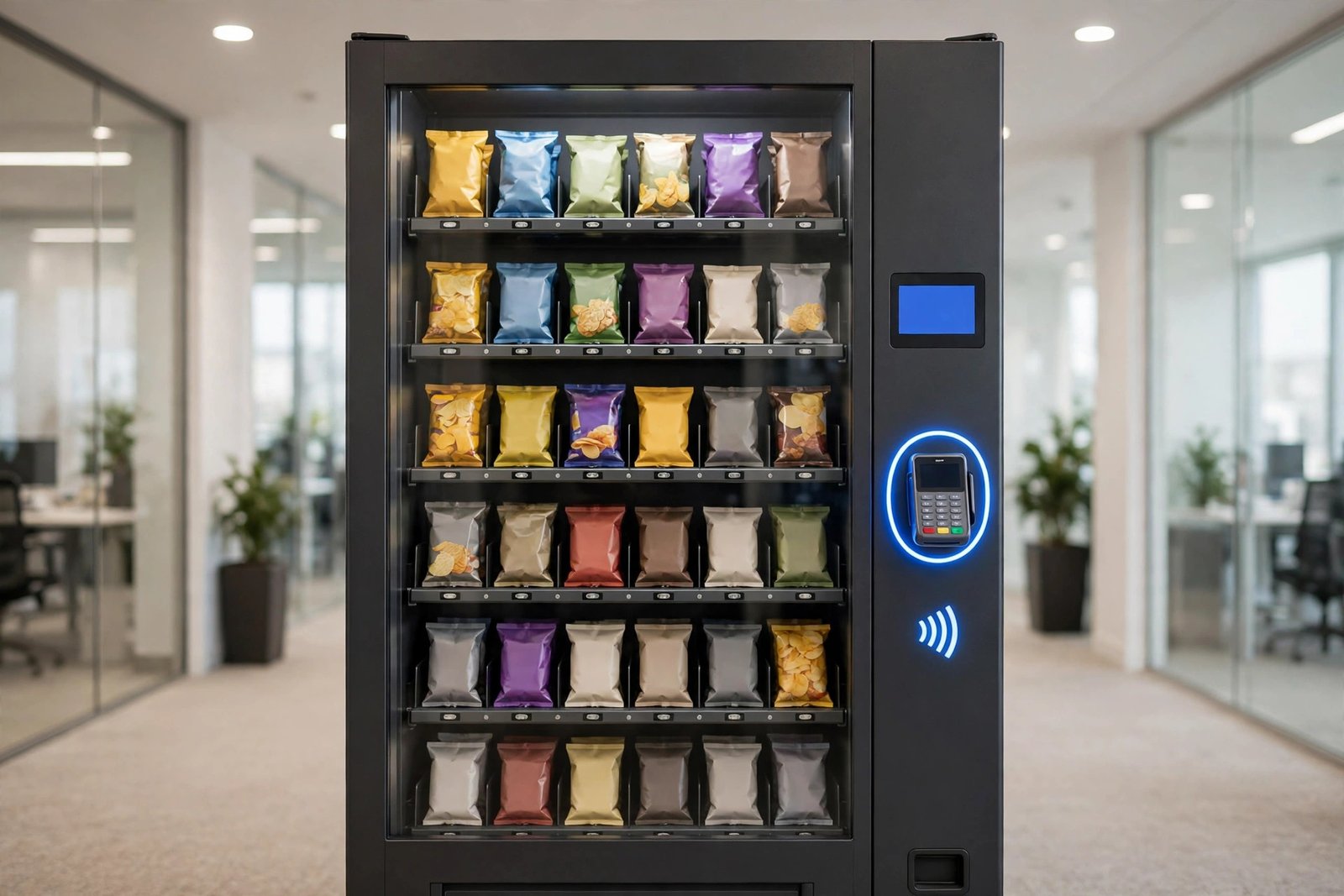
Vending machines used to be simple boxes. You put in coins, pressed a button, and hoped your snack did not get stuck. In the United States, that picture has changed a lot. USA technologies vending machines now take cards, phones and watches, track their own stock, and send alerts when something runs out. The machine on the wall of your office or school is now a small connected computer. USA technologies vending machines are a clear example of that shift.
The change matters because cash is fading from everyday life. Fewer people carry coins, and a machine that only takes cash loses sales every day. The companies that build and run these machines had to adapt, and the result is a quiet technology shift that most people notice only when they tap their phone and the machine just works.
USA Technologies Vending Machines: How Cashless Payment Changed the Industry
The biggest shift came from cashless payment. A company called USA Technologies built much of the payment hardware that sits on vending machines across America, letting machines accept credit cards, debit cards and mobile wallets. The company later rebranded as Cantaloupe, but the idea stayed the same: a vending machine should take whatever payment the customer already has.
Before this change, operators lost sales in two ways. Customers walked away when they had no cash, and operators spent hours collecting coins and dealing with jammed bill readers. Card readers fixed both problems at once. Sales went up because paying became easy, and operators could see every sale in real time instead of waiting to open the machine.
The effect spread fast. Once one machine in a building took cards, customers expected the same from the next one. Offices, hospitals, schools and airports all moved toward cashless machines, and the old coin-only box started to look out of date.
How USA Technologies Vending Machines Work
A modern vending machine has three main parts working together. The payment reader sits on the front and talks to the card network or the phone in your hand. The control board runs the machine, tracks what is inside, and decides what to dispense. The connection module sends sales data to the operator over a mobile network, so the operator knows what sold and what is running low without visiting the machine.
When you tap your card, the reader checks the payment in seconds and tells the machine to release your item. The sale is recorded instantly. That record is more useful than it sounds. Operators can see which products sell at which times, which machines need restocking, and which items sit untouched for weeks. That is a good example of how information can help society in a small, everyday way: the same sales data that helps a business also cuts wasted trips, reduces spoiled stock, and keeps popular items available.
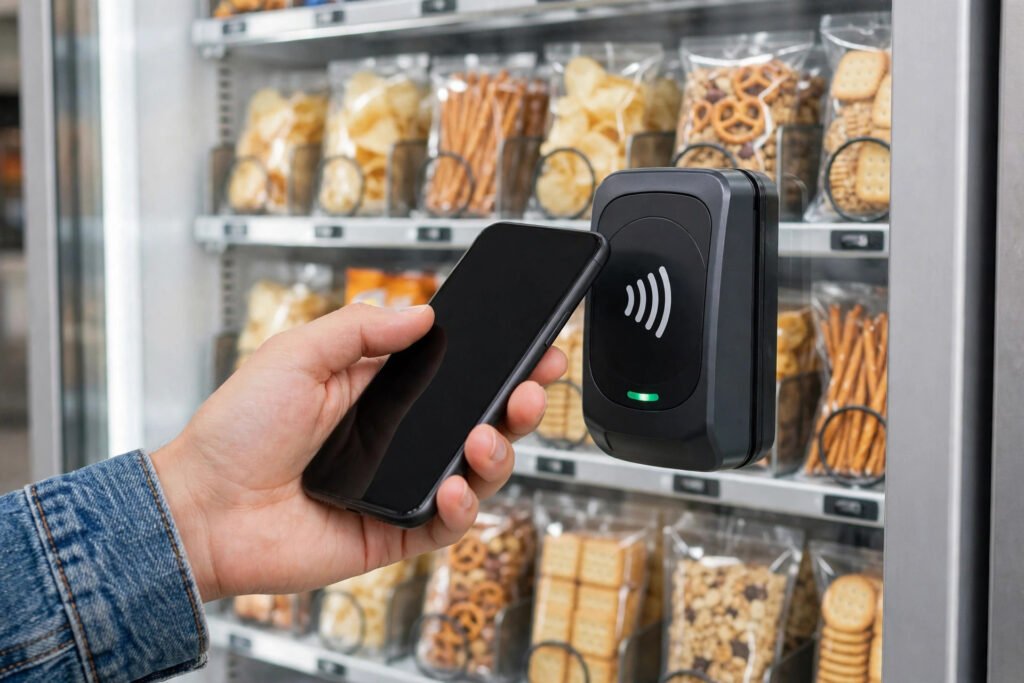
Most machines now also support touchless payment, which became much more common after people started avoiding shared surfaces. Tap your phone, take your snack, and walk away. No coins, no buttons to press with a key, and no exact change to hunt for. USA technologies vending machines made tap-to-pay the normal way to buy a snack.
Smart Features in Modern Vending Machines
Cashless payment was only the start. Modern machines carry a set of smart features that make them easier to run and nicer to use.
Remote monitoring is the most important one. An operator can check dozens of machines from a phone, see stock levels, and plan one efficient restocking trip instead of visiting every machine on a fixed schedule. That saves fuel, time and labour, which matters when machines are spread across a city.
Digital screens have replaced printed labels on many machines. The screen can show prices, nutrition facts, promotions and even short videos. Operators can change prices for all their machines from one dashboard, which is far easier than visiting each machine with a new label.
Some machines now sell far more than snacks. You can find machines selling electronics accessories, phone chargers, fresh food, coffee and even medicine in some locations. The technology is the same; only the products change. A few machines use cameras and sensors to recognise what a customer picks up, then charge them automatically when they close the door.
Where You Find USA Technologies Vending Machines
These machines show up in more places than most people notice. Offices were the first big market, because workers want a quick snack without leaving the building. Hospitals followed, since staff and visitors need food and drinks at all hours. Schools and universities use them for students between classes, and airports and train stations rely on them for travellers who have no time to find a shop.
The locations keep growing. Gyms sell protein bars and drinks from smart machines. Hotels place them on every floor for late-night snacks. Even car dealerships and laundromats have added machines for waiting customers. Each location has the same need: a machine that takes any payment, stays stocked, and rarely breaks down. USA technologies vending machines fit that need because the operator can watch sales from anywhere and send a worker only when a machine actually needs attention. That is why the same technology now appears in places that never had vending machines before, from office break rooms to apartment buildings. USA technologies vending machines now serve all of these places.
Benefits for Operators and Customers
For operators, the benefits are clear. Cashless sales are higher than cash sales, because people spend more easily when they are not counting coins. Remote monitoring cuts the cost of running routes, and sales data helps operators stock what actually sells instead of guessing. A machine that reports its own problems gets fixed faster than one that waits for a customer to complain.
For customers, the benefit is convenience. You can buy what you want with the payment method you already use. Prices and product details are clearer on digital screens. Machines are restocked more reliably, so your favourite item is less likely to be sold out. That reliability is one reason USA technologies vending machines keep spreading into new locations. USA technologies vending machines keep that promise in more places every year.
Schools and workplaces see a side benefit too. A well-stocked machine with clear pricing becomes a small part of daily life, and the same locations often use other simple tech to run smoothly — from attendance apps to classroom tools like Baamboozle that teachers use for quick revision games. The vending machine is just one piece of a building that runs on connected tools.
Challenges Facing Vending Machine Technology
The technology is not without problems. Card readers and connectivity add cost, and a small operator with a few machines has to weigh that cost against the extra sales. A machine in a weak signal area may struggle to process payments, which frustrates customers.
Security is another concern. Any device that handles payments can attract fraud, so operators have to keep software updated and use readers that meet current security standards. A machine that stores sales data also has to protect it, just like any other connected device.
There is also a fairness question. Cashless-only machines can exclude people who only use cash, including some older customers and people without bank accounts. Many operators keep a cash option alongside card readers for exactly this reason. The best machines serve everyone, not just the customers with the newest phone.
Finally, the machines need power and maintenance. A smart machine with a screen, a card reader and a mobile connection uses more electricity than an old coin box, and every extra part is something that can break. Operators who skip maintenance soon find that a fancy machine out of order earns nothing at all.
Frequently Asked Questions
What are USA technologies vending machines?
They are vending machines in the United States that use modern payment and monitoring technology, including card readers and mobile payment systems originally built by USA Technologies, a company that later rebranded as Cantaloupe. The machines accept cards, phones and watches, and report sales and stock levels to operators remotely.
Do vending machines in the USA still take cash?
Many still do, but a growing number are cashless or take both cash and cards. Operators usually keep cash as an option where customers expect it, especially in public places, because not everyone carries a card or a phone.
How do smart vending machines know when to restock?
Sensors and sales records track every item sold. The machine sends its stock levels to the operator over a mobile connection, so the operator can see which machines need a visit and which products to bring, instead of checking every machine on a fixed route.
Are cashless vending machines safe to use?
Yes, when they use modern payment readers that meet current security standards. Your card details are handled by the payment network, not stored on the machine. As with any payment terminal, operators should keep the software updated and check the machine regularly.
The Bottom Line
USA technologies vending machines show how a small piece of everyday technology can change when it connects to the internet. Cashless payment removed the biggest barrier to buying, remote monitoring removed much of the guesswork from running machines, and digital screens made the whole experience clearer. The machines still sell snacks, but they now run on data, connectivity and software. The next time you tap to pay at a machine, remember that USA technologies vending machines made that simple tap possible. For operators the lesson is simple: a machine that accepts every payment, reports its own stock, and gets fixed quickly earns more than one that does not. For the rest of us, it just means the snack we want is there when we tap to pay.

1 Comment
Pingback: Inventory Supplies Using a Hand Held Computer: 5 Best Tips