
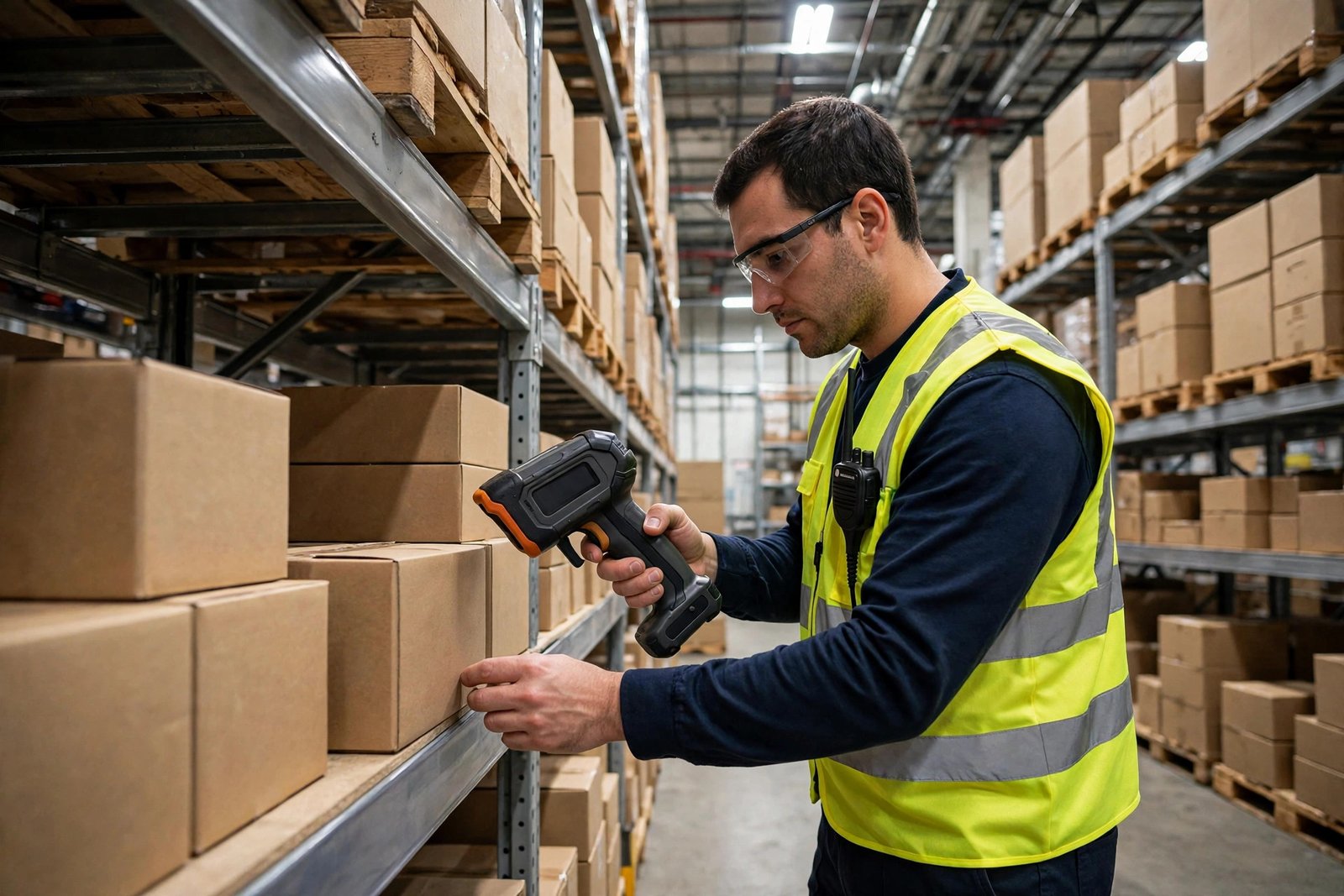
Counting stock by hand is slow, boring and full of mistakes. A worker walks down an aisle with a clipboard, writes down numbers, and someone else types those numbers into a computer later. Every step is a chance to miscount. Inventory supplies using a hand held computer replaces that whole chain with one device: the worker scans each item, the count updates instantly, and the office sees the numbers in real time. That is why inventory supplies using a hand held computer is now the standard way to count stock in busy warehouses.
Small shops, warehouses and delivery teams all use this approach now. The devices are not exotic. A rugged handheld scanner, or even a phone with a scanning app, can do the job. What matters is the workflow around it, and this guide explains how it works, what it costs in time and effort, and how to avoid the mistakes that make new systems fail.
What Is Inventory Supplies Using a Hand Held Computer?
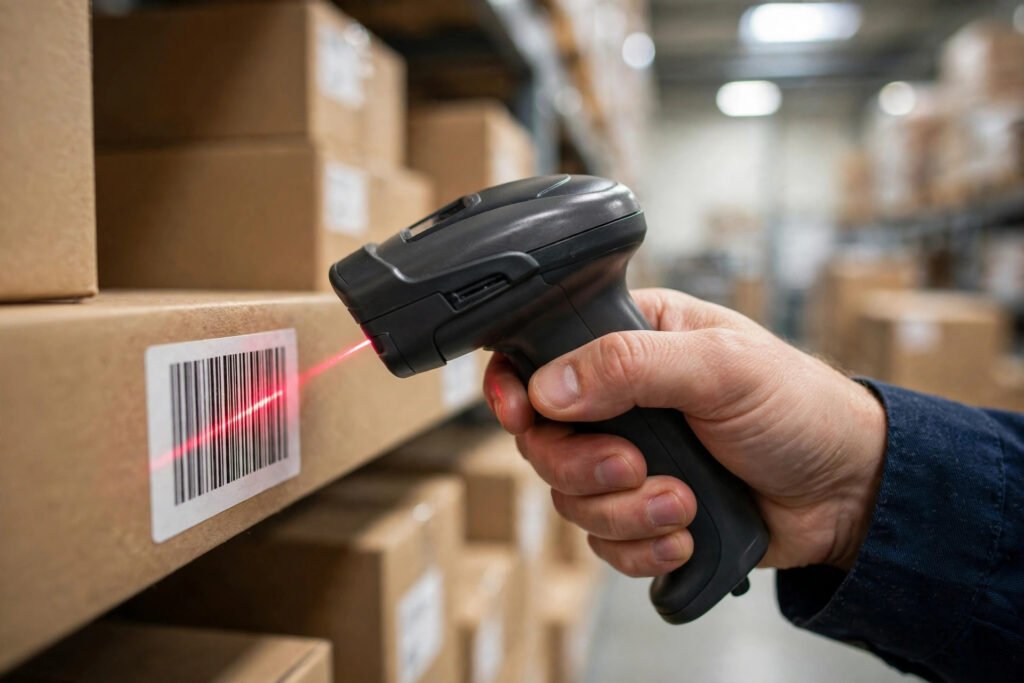
Inventory supplies using a hand held computer means checking, counting and managing stock with a portable device instead of paper. The worker points the device at a barcode, scans it, and enters a quantity. The device sends that information straight to the inventory system, which updates stock levels at once. No paper, no retyping, no waiting until the end of the day.
The devices come in a few forms. Dedicated handheld computers look like chunky phones with a built-in scanner and a physical keypad. They are built to survive drops, dust and cold storage rooms. Some businesses use regular smartphones with a scanning app and a clip-on scanner instead, which costs less but breaks more easily. Tablets with a scanner attachment sit in the middle: a bigger screen, easy to read, but harder to carry for a full shift.
The idea is the same whatever the device. One scan should do the work of writing, checking and typing. If a system still needs paper at any step, something is wrong with the setup, not with the worker.
How Inventory Supplies Using a Hand Held Computer Works in a Warehouse
A typical stock check starts before anyone touches a shelf. The manager creates a count task in the inventory system and sends it to the handheld devices. Each worker gets a zone: aisle three, shelves one to ten, for example. The device shows what the system expects to find, and the worker scans what is actually there.
When a scan does not match the expected count, the device flags it right away. The worker can recount that shelf on the spot instead of discovering the error days later in the office. That instant feedback is the biggest advantage over paper. Mistakes get caught where they happen, while the shelf is still in front of you.
Receiving new stock works the same way. A delivery arrives, the worker scans each box against the purchase order, and the system records what came in. If a box is missing or damaged, it is flagged before the delivery driver leaves. Picking orders works in reverse: the device tells the worker which shelf to visit, the worker scans each item as it goes into the box, and the system will not let an order ship with the wrong item inside.
The same handheld devices show up outside warehouses too. Delivery drivers scan parcels at the door. Field technicians scan spare parts from the van. Even USA technologies vending machines are restocked by workers who scan each item with a handheld device, so the operator knows exactly what sold and what needs replacing.
Benefits for Businesses
The first benefit is accuracy. Scanning a barcode is far more reliable than reading a handwritten number. Most businesses that switch from paper to handheld scanning see counting errors fall sharply, which means fewer stockouts, fewer emergency orders, and fewer angry customers told an item is available when it is not. That accuracy is the main reason inventory supplies using a hand held computer has become standard in warehouses of every size.
Speed is the second benefit. A worker with a scanner counts a shelf much faster than one with a clipboard, and there is no typing step afterwards. The office sees the numbers the moment the count is done, so decisions about reordering happen the same day instead of the next week. With inventory supplies using a hand held computer, a full count can be finished and shared in minutes rather than days.
The third benefit is visibility. When every scan updates the system instantly, managers can see stock levels across all locations at any time. They can spot slow-moving items, find stock that has been sitting for months, and move it before it becomes dead money on a shelf. That kind of visibility used to need a big expensive system. Now a small business can get it with a few handheld devices and a cloud inventory app.
There is also a training benefit that surprises new users. New staff learn faster with a device that tells them exactly what to do next than with a paper list and a map of the warehouse. The device guides them shelf by shelf, which cuts the time it takes a new hire to work alone.
Choosing the Right Handheld Computer
The right device depends on where it will be used. A cold storage room needs a device rated for low temperatures and gloves. A dusty building site needs one that seals against dust and survives drops onto concrete. An office stockroom can get away with a lighter, cheaper device.
Battery life matters more than most buyers expect. A device that dies halfway through a shift stops the whole count. Look for a device that lasts a full working day on one charge, and keep spare batteries or a charging cradle at the desk. A screen that is readable in bright light matters too, especially for outdoor yards. For inventory supplies using a hand held computer, a battery that lasts a full working day is essential.
Software matters as much as hardware. The device must talk to your inventory system, whether that is a simple cloud app or a larger warehouse system. Before buying, check that the scanner reads the barcode types you actually use, and that the app works offline. Warehouses often have dead zones with no signal, and a device that stops working without a connection will cause trouble on the first day.
Some small businesses start simpler, using budget tablets with a scanning app for occasional stock checks, then move to rugged handhelds when the volume grows. That is a sensible path. Buy for the work you actually do, not for the work you imagine doing one day. Whatever you choose, test inventory supplies using a hand held computer on one real shift before buying for the whole team.
Common Mistakes to Avoid
The most common mistake is buying devices before fixing the data. If your product list has duplicates, wrong barcodes or missing items, a scanner will only record those errors faster. Clean up the product list first, print fresh barcode labels, and test the system on one shelf before rolling it out everywhere. A team that skips the test phase usually finds that inventory supplies using a hand held computer still needs the same care as paper — the device only helps if the data behind it is clean.
The second mistake is skipping training. A handheld device is simple, but the workflow around it is not obvious. Workers need to know what to do when a scan fails, when the count disagrees with the system, and when the device loses its connection. A short training session and a one-page guide on the wall prevent most confusion.
The third mistake is ignoring the physical setup. Barcodes printed too small, labels placed where they are hard to reach, and shelves with no clear numbering all slow scanning down. A quick walk through the warehouse with fresh eyes usually finds a dozen small fixes that save hours every week. Small fixes like these make inventory supplies using a hand held computer much faster in daily use.
Finally, do not forget spare equipment. One broken scanner should not stop a whole shift. A spare device, spare batteries and a spare charger cost little compared to a day of lost counting.
Frequently Asked Questions
Is inventory supplies using a hand held computer better than paper counting?
Yes, for almost every business that counts stock regularly. Scanning is faster and more accurate than writing numbers by hand, and the results update the system instantly instead of waiting for someone to type them in. Paper still works for a tiny shop with a handful of items, but anything bigger benefits from scanning.
What kind of device do I need for handheld inventory?
A rugged handheld computer with a built-in barcode scanner is the standard choice for warehouses. For light use, a smartphone with a scanning app can work. The key requirements are a good scanner, all-day battery life, and software that connects to your inventory system. Whatever you choose, inventory supplies using a hand held computer works best when the scanner, battery and software all fit the job.
Can handheld computers work without internet?
Most can. Good inventory apps store scans on the device and sync them when the connection returns. Check this before buying, because warehouses often have areas with weak or no signal, and a device that needs a live connection will fail there.
How much training do workers need?
Usually a few hours. The device itself is simple to use. The training should focus on the workflow: what to do when counts disagree, how to handle damaged barcodes, and who to call when the device stops working.
The Bottom Line
Inventory supplies using a hand held computer is one of those changes that looks small and pays off fast. Scanning replaces writing and retyping, errors get caught on the shelf instead of in the office, and managers finally see stock levels as they really are. The technology is not complicated, and the devices are cheaper than they used to be. Start by cleaning up your product data, pick a device that fits your actual working conditions, train your team properly, and test on one area before going wide. Do that, and the clipboard can finally retire.

1 Comment
Pingback: Scott Automation: 5 Ways Robots Change Factories