
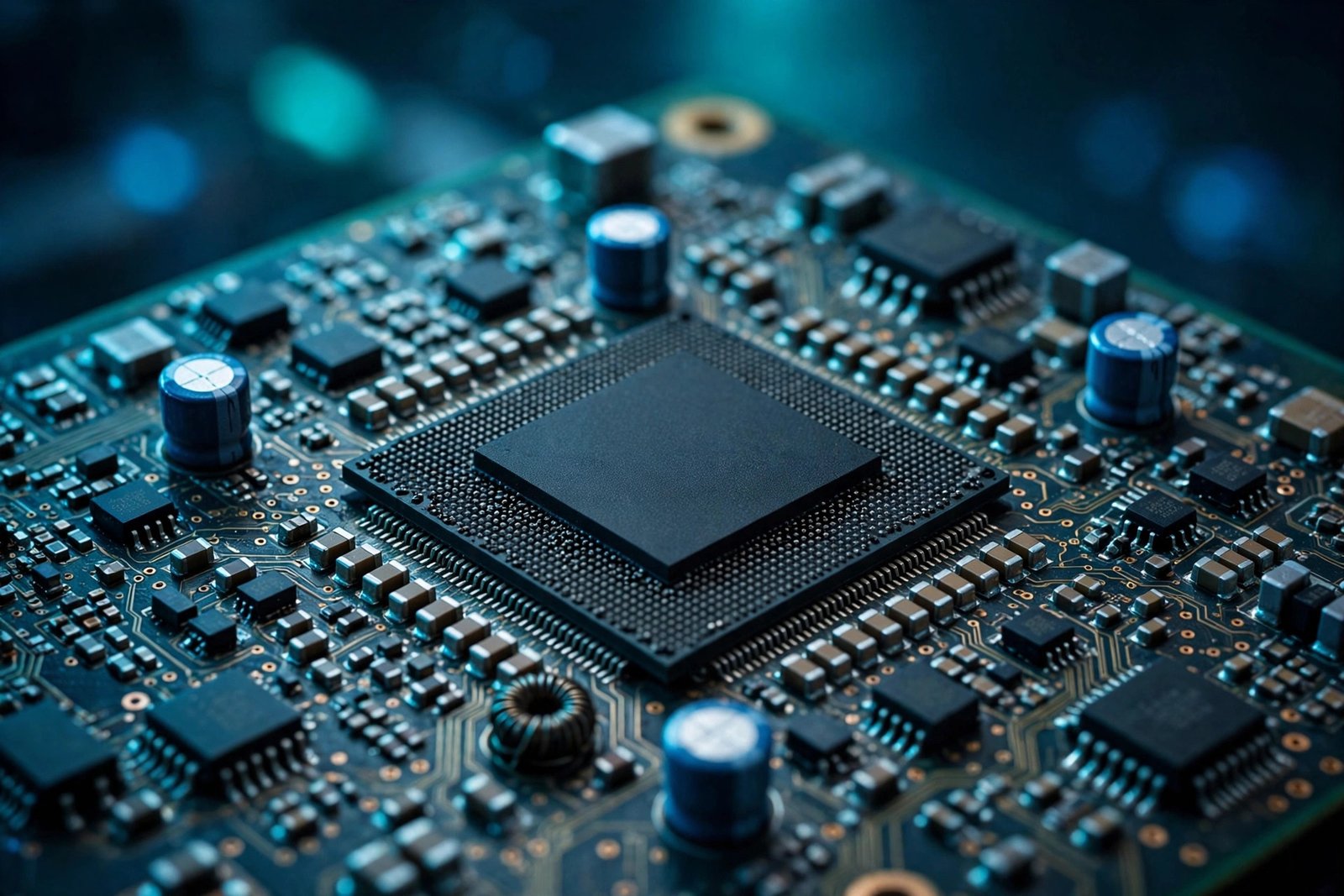
Your phone, your car, your washing machine, and the hospital scanner down the road all share something. Inside each one sits a mix of electronics and computer systems, designed by people who understand both.
Electronics and computer engineering technology is the field that builds those systems. It sits between pure electronics and pure computing, covering the hardware that runs software and the software that controls hardware. If you have ever wondered who designs the chips in your phone or the systems in a modern car, this is their field.
This guide explains what electronics and computer engineering technology covers, what its engineers do day to day, the jobs it leads to, and how to start learning it.
What Is Electronics and Computer Engineering Technology?
The name is long, so it helps to break it into parts. Electronics is about circuits and components: the chips, sensors, and boards that carry electric signals. Computer engineering is about the systems built from those parts: the processors, memory, and networks that run programs. The word technology ties them together into the practical work of building real products.
In plain terms, electronics and computer engineering technology is the work of designing and building the electronic brains inside modern devices. A phone needs a processor, memory, a battery system, radios for calls and Wi-Fi, and sensors for the camera and screen. Someone has to design how those parts connect and work together. That someone is usually an engineer in this field.
The field is broad. At one end, it covers tiny chips inside a watch. At the other end, it covers the control systems of power plants and trains. What links them is the same mix of skills: understanding circuits, writing code, and testing systems until they work reliably.
It is also a field that changes fast. A chip design that is new today may be old in five years. Engineers in this area keep learning throughout their careers, picking up new tools and new standards as they arrive.
What Do Engineers in This Field Actually Do?
A typical day depends on the job, but most roles mix design, testing, and problem-solving.
Design comes first in electronics and computer engineering technology. An engineer might sketch a circuit, pick the right components, and draw a board layout on a computer. For bigger systems, they write code that controls the hardware — the small programs, called firmware, that tell a device how to behave when it switches on.
Testing comes next. Nothing ships without being checked. Engineers run tests to see if a board works, if the software handles errors, and if the device survives heat, cold, and rough handling. Finding a fault early saves far more money than fixing it after the product is sold.
Problem-solving fills the rest of the day. A device fails in testing, a part goes out of stock, a customer reports a strange bug. The engineer tracks the cause, tests a fix, and records what changed so the team learns from it.
Many engineers also spend time in meetings with other teams: product designers, software developers, and factory staff. Building a device is teamwork, and the electronics side has to fit with everyone else’s plans.
The Main Areas Inside the Field
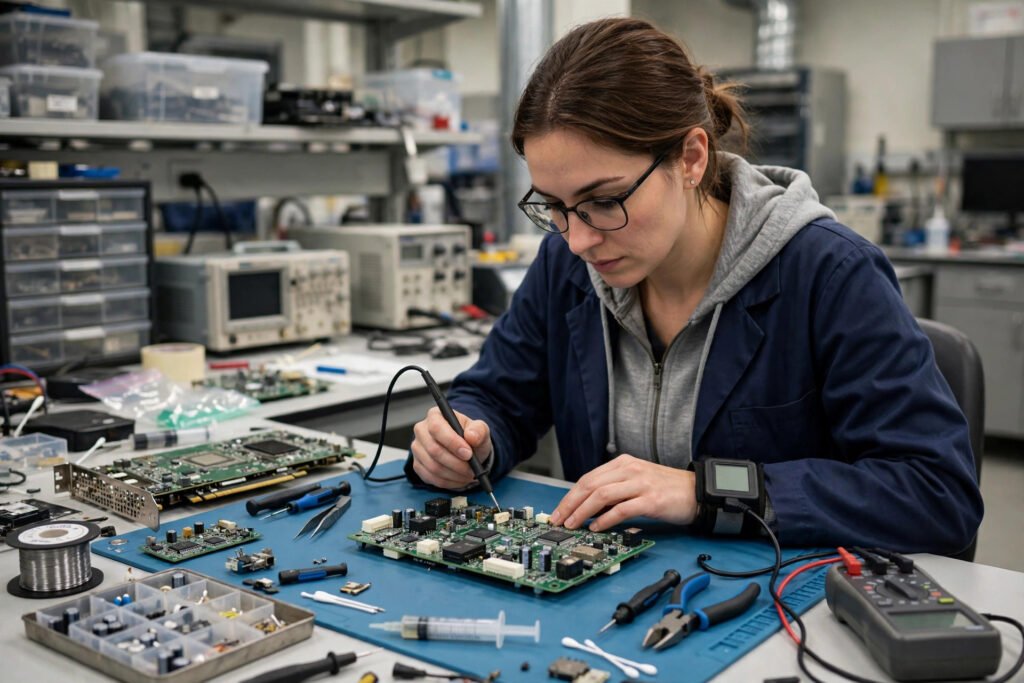
The field splits into several areas, and most engineers focus on one or two of them. Each of these areas shows a different side of electronics and computer engineering technology, and most engineers pick one to focus on.
Embedded systems are the biggest area. An embedded system is a small computer built into a device: a washing machine, a car engine controller, a medical monitor. The engineer writes the code and designs the hardware as one unit, so the device does its job reliably for years.
Digital design covers chips and processors. Engineers in this area design the circuits inside a chip, using special software to test millions of connections before anything is built. A single mistake can ruin a whole batch of chips, so the work demands care and patience.
Communications covers how devices talk to each other: Wi-Fi, mobile networks, Bluetooth, and satellite links. Engineers here work on radios, antennas, and the rules that let devices share data without clashing.
Control systems cover machines that move and react: factory robots, drones, and car safety systems. The engineer writes the logic that reads sensors and decides what the machine should do next, fast enough to be safe.
Power electronics covers how devices use energy: batteries, chargers, and the power systems in electric cars. As more things run on batteries, this area keeps growing.
Jobs in Electronics and Computer Engineering Technology
The jobs in electronics and computer engineering technology are varied, and they pay well in most countries.
Hardware engineers design circuits and boards for new products. They work in labs with test equipment, building prototypes and checking them against the design.
Embedded software engineers write the code that runs on hardware. They need to understand both programming and electronics, because their code talks directly to chips and sensors.
Test engineers focus on making sure products work. They build test setups, run checks, and track down faults. It is a good entry role, because it teaches you how real products behave and fail.
Field engineers work where the products are used: installing systems, fixing faults on site, and training customers. This role suits people who like travel and hands-on work.
Over time, engineers often move into project roles, leading a team or managing a product line. Some move into sales or support, where deep product knowledge helps explain complex systems to customers.
The demand for electronics and computer engineering technology skills is steady. Every new device — from smart watches to electric cars — needs people who understand both hardware and software. That mix is hard to automate, which makes the skills durable.
How to Start Learning It
Starting out in electronics and computer engineering technology can feel daunting, because the field covers so much. The trick is to begin with the basics and build up in small steps.
Start with simple electronics: how a circuit works, what resistors and capacitors do, and how to read a basic diagram. Cheap kits let you build circuits on a small board at home, and the hands-on work makes the ideas stick.
Learn one programming language next. C is the classic choice for this field, because it runs close to the hardware. Python is a friendlier first step and is useful for testing and automation. Either one works as a starting point.
Then try a small project that mixes both: a temperature sensor that shows readings on a screen, or a small motor controlled by a button. A project like this teaches more than weeks of reading, because it forces you to solve real problems. That first project is the best test of whether electronics and computer engineering technology suits you, because it mixes circuits, code, and problem-solving in one small job.
Good learning material is easy to find once you know where to look. Our guide to the best resources for learning tech lists free courses, books, and practice platforms that work well for beginners in this area.
If you are a student, a laptop that can run circuit design and programming tools matters more than a fancy one. Plenty of students get by on modest machines — see these budget laptops for students for options that handle the software without costing a fortune.
Formal study helps too. Many colleges offer diplomas and degrees in electronics and computer engineering technology, and they give you lab time with real equipment. If a full degree is not an option, short courses and certifications can still open doors, especially when paired with a few finished projects.
Frequently Asked Questions
What is electronics and computer engineering technology in simple words?
Electronics and computer engineering technology is the field that designs and builds the electronic systems inside devices — the chips, circuits, and software that make phones, cars, medical machines, and home gadgets work.
Is it the same as computer science?
No. Computer science focuses on software, algorithms, and theory. This field covers hardware as well as software, and it focuses on building physical systems that run code. The two overlap, and many people work across both.
Do I need strong maths to study it?
You need a working grasp of maths, especially for circuits and signals, but you do not need to be a maths genius. Most courses teach the maths you need alongside the practical work, and the hands-on projects make the numbers make sense.
What jobs can I get with a qualification in this field?
Hardware engineer, embedded software engineer, test engineer, field engineer, and control systems engineer are common roles. With experience, you can move into project management, product design, or technical sales. Many employers also value hands-on projects, so a small portfolio of finished work can matter as much as a certificate.
The Bottom Line
Electronics and computer engineering technology is the field behind almost every device you touch. It mixes circuits and code, design and testing, theory and hands-on work. It is a wide field with steady demand, good pay, and real variety in the day-to-day work.
If the mix of hardware and software appeals to you, start small: a basic circuit kit, one programming language, and one small project. That first project will teach you more about the field than any guide, including this one.

1 Comment
Pingback: New Techonlogy: 7 Amazing Ideas to Watch in 2026