

Every time you send a message, pay a bill online, or watch a video on your phone, information tech is working in the background. Most people use it all day without thinking about it. Yet few stop to ask what it actually covers, how it works, or why it matters so much.
Information tech is the short name for the tools and systems that store, move, and use information. It includes the computers we touch, the networks that connect them, the software that runs on them, and the people who keep everything running. When you hear someone say IT, they mean this same thing.
This guide breaks it down in plain language. You will learn what the field covers, the parts that make it up, the jobs it creates, and where it is heading next. No jargon, no long lectures, just the basics you need to understand the world around you.
What Is Information Tech?
At its simplest, information tech is the use of computers and networks to handle information. That covers a huge range of things: creating a document, saving a photo, sending an email, running a shop’s stock system, or keeping hospital records safe. If a machine stores, processes, or shares information, it belongs in this field.
The phrase is often used in two ways. Sometimes it means the technology itself: laptops, phones, servers, cables, and apps. Other times it means the work people do with that technology: setting up networks, fixing problems, building software, and protecting data. Both meanings are correct, and they go together.
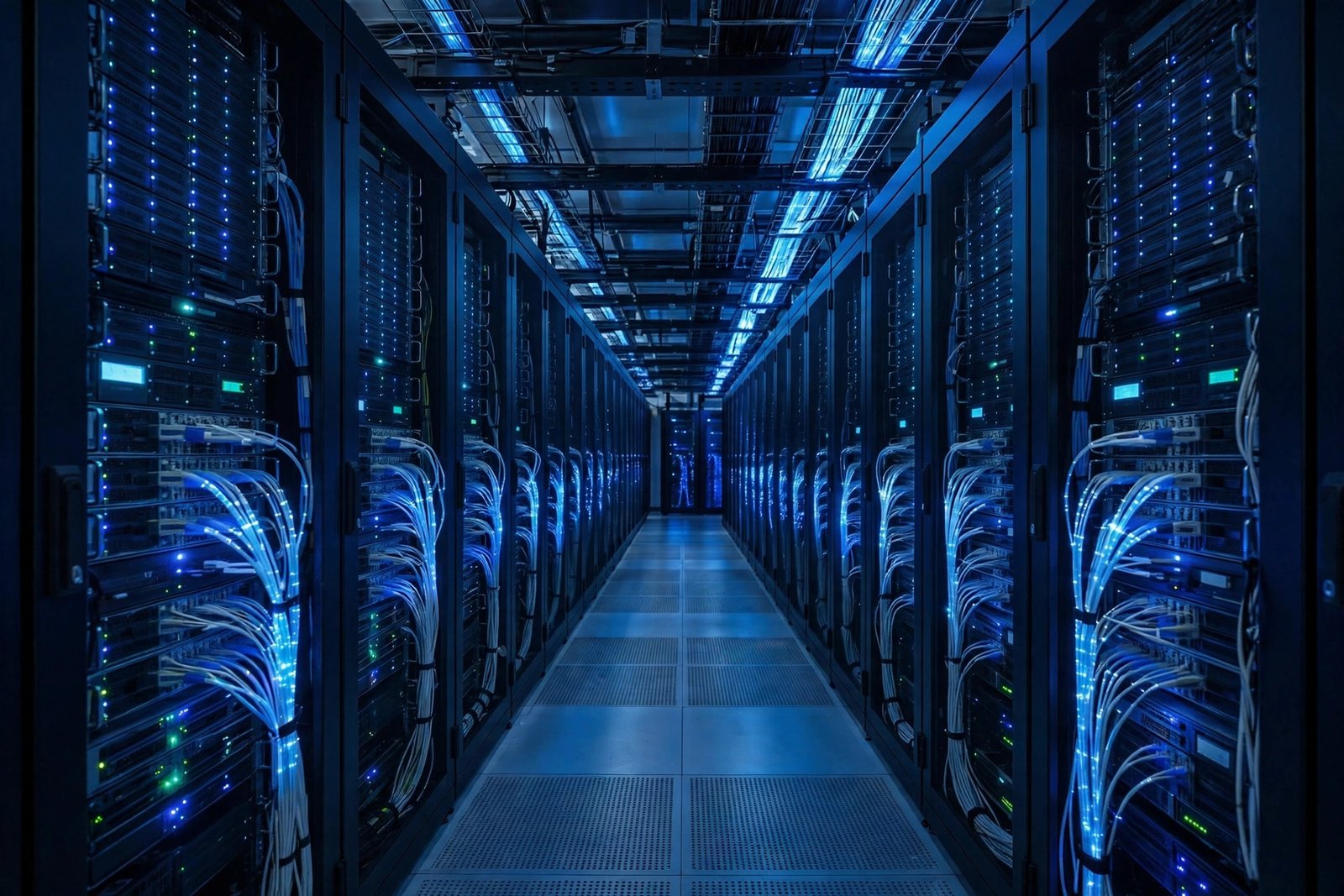
A good way to think about it is like a postal service. Letters are the information. Roads and vans are the network. Post offices are the servers. And the people who sort and deliver the mail are the IT staff. Change letters to emails, roads to fibre cables, and vans to data centres, and you have a rough picture of how the field works.
Information tech touches almost every industry today. Schools use it to teach, banks use it to move money, doctors use it to track patients, and farmers use it to check the weather and soil. There is barely a job left that does not rely on it in some way.
The Main Parts of Information Tech
Information tech is big, but it breaks down into four parts that are easy to grasp. Each part does a different job, and all four have to work together.
Hardware
Hardware is the physical stuff you can touch. Computers, phones, tablets, printers, routers, and servers all count as hardware. So do the smaller parts inside them: processors, memory chips, hard drives, and screens. Hardware is the body of the system. It does the actual work of storing and moving data, but it cannot do anything on its own.
Software
Software is the set of instructions that tells hardware what to do. Your web browser, your email app, and the operating system on your phone are all software. Some software is made for everyone, like word processors and video players. Other software is built for one job, like a hospital records system or a train booking platform. Without software, hardware is just an expensive box.
Networks
Networks connect hardware so information can travel between machines. Your home Wi-Fi is a small network. The internet is the biggest network of all, linking millions of computers around the world. Networks need cables, routers, and switches to work, plus rules that decide how data moves from one place to another. When your video call freezes, it is usually a network problem, not a problem with your phone.
Data and security
Data is the information itself: your photos, your messages, your bank balance, your work files. Storing it safely and keeping it private is a whole job on its own. Security means protecting data from thieves, viruses, and mistakes. Passwords, encryption, and backups are all part of it. As more of life moves online, this part of information tech keeps growing in importance.
These four parts overlap. A phone is hardware, but it runs software, connects to a network, and holds your data. That is why people in the field often work across several parts at once.
Why Information Tech Matters for Everyday Life
It is easy to take information tech for granted until it stops working. Lose your internet for a day and you notice fast: no messages, no maps, no streaming, no online payments. That small experiment shows how deep the field runs in daily life.
At home, it keeps families connected. Video calls link relatives across countries. Smart TVs stream films on demand. Online shopping brings groceries to the door. None of this existed in its current form twenty years ago.
At work, it changes how jobs get done. A shopkeeper tracks sales on a tablet instead of a paper book. A teacher shares lessons with students online. A small business sells to customers in other cities without opening a second shop. The tools save time and cut down on errors, which lets people focus on the parts of the job that need a human touch.
In public services, the gains are just as real. Hospitals share patient records between departments so doctors do not have to start from scratch. Schools run online classes when weather or illness keeps students home. Government offices let people file forms online instead of standing in long queues.
There is a flip side, of course. When systems fail, the damage spreads fast. A bank outage can lock thousands of people out of their money. A data leak can expose private details. That is why the field puts so much effort into backups, security, and trained staff. The goal is not just to build systems, but to build ones people can trust.
Jobs and Careers in IT
One reason so many young people ask about information tech is the jobs. The field hires across a wide range of skills, and many roles pay well and offer room to grow.
Support roles are the most common entry point. A support technician helps users fix problems: a forgotten password, a printer that will not connect, a laptop that will not start. It is a good first job because it teaches you how real systems behave and how to talk to users.
Network roles focus on keeping connections running. Network engineers design and look after the cables, routers, and Wi-Fi that link offices and homes. When a whole office loses internet, these are the people who find the fault and fix it.
Software roles build the apps and systems everyone uses. Programmers write code, testers check it for bugs, and designers make sure it is easy to use. You do not need a university degree for every software job, but you do need patience and practice. Many programmers start by building small projects at home.
Data roles work with information itself. Data analysts turn raw numbers into charts and reports that managers can act on. Database administrators keep huge stores of information organised and safe. As businesses collect more data, these jobs keep growing.
Security roles protect all of it. Security analysts watch for attacks, fix weak spots, and teach staff how to spot scams. With cyber attacks making the news every week, good security people are in high demand.
If you are thinking about a career here, start with the basics: learn how computers work, get comfortable with one programming language, and practise solving real problems. Certifications help, but hands-on practice matters more. For a closer look at how AI tools fit into this picture, see our Droven.io guide.
How the Field Keeps Changing
Information tech never stands still. New tools arrive every year, and old ones fade away. A few shifts are worth watching.
Cloud computing is the biggest one. Instead of storing files on one computer, people now store them on remote servers and reach them from anywhere. Small businesses love it because they do not need to buy and maintain their own servers. The trade-off is trust: your files sit on someone else’s machines, so picking a reliable provider matters.
Artificial intelligence is the second shift. AI tools now write drafts, answer customer questions, sort photos, and flag fraud. They do not replace people, but they take over repetitive work so people can do more interesting tasks. AI chatbots are now part of daily work, and this AI chatbot comparison shows how the main tools differ.
Remote work is the third shift. Fast internet and video calls mean many office jobs can happen from home. That changes how companies hire, how teams meet, and what kind of network setup a home needs.
The pattern is clear: the tools change, but the goal stays the same. Information tech exists to help people handle information faster, safer, and with less effort. Learning the basics now will still pay off when the next wave of tools arrives.
Frequently Asked Questions
What does information tech include?
It includes hardware like computers and phones, software like apps and operating systems, networks like Wi-Fi and the internet, and the data and security work that keeps information safe. People who set up, fix, and manage these systems are part of the field too.
Is IT the same as computer science?
They overlap, but they are not the same. Computer science focuses on theory: how computers work, how algorithms run, and how to solve hard computing problems. Information tech focuses on practice: using computers and networks to solve real business and everyday problems. Many people study one and work in the other.
Do I need a degree to work in information tech?
Not always. A degree helps for some roles, but many employers care more about skills and experience. Short courses, certifications, and a portfolio of small projects can open doors, especially for support, networking, and junior programming roles.
What is the hardest part of learning IT?
The hardest part of learning information tech is the pace of change. New tools and updates arrive all the time, so learning never really stops. The trick is to learn the basics well, because they change slowly, and then pick up new tools as you need them.
The Bottom Line
Information tech is not just about computers. It is about how the modern world stores, shares, and protects information. It covers hardware, software, networks, and data, and it shapes how we work, learn, shop, and stay in touch.
The field keeps changing, and that is what makes it worth learning. The basics you pick up today — how networks work, how software runs, how to keep data safe — will still matter when the next generation of tools arrives. Start small, practise often, and stay curious.

1 Comment
Pingback: Information Technology and People: 5 Amazing Key Facts