
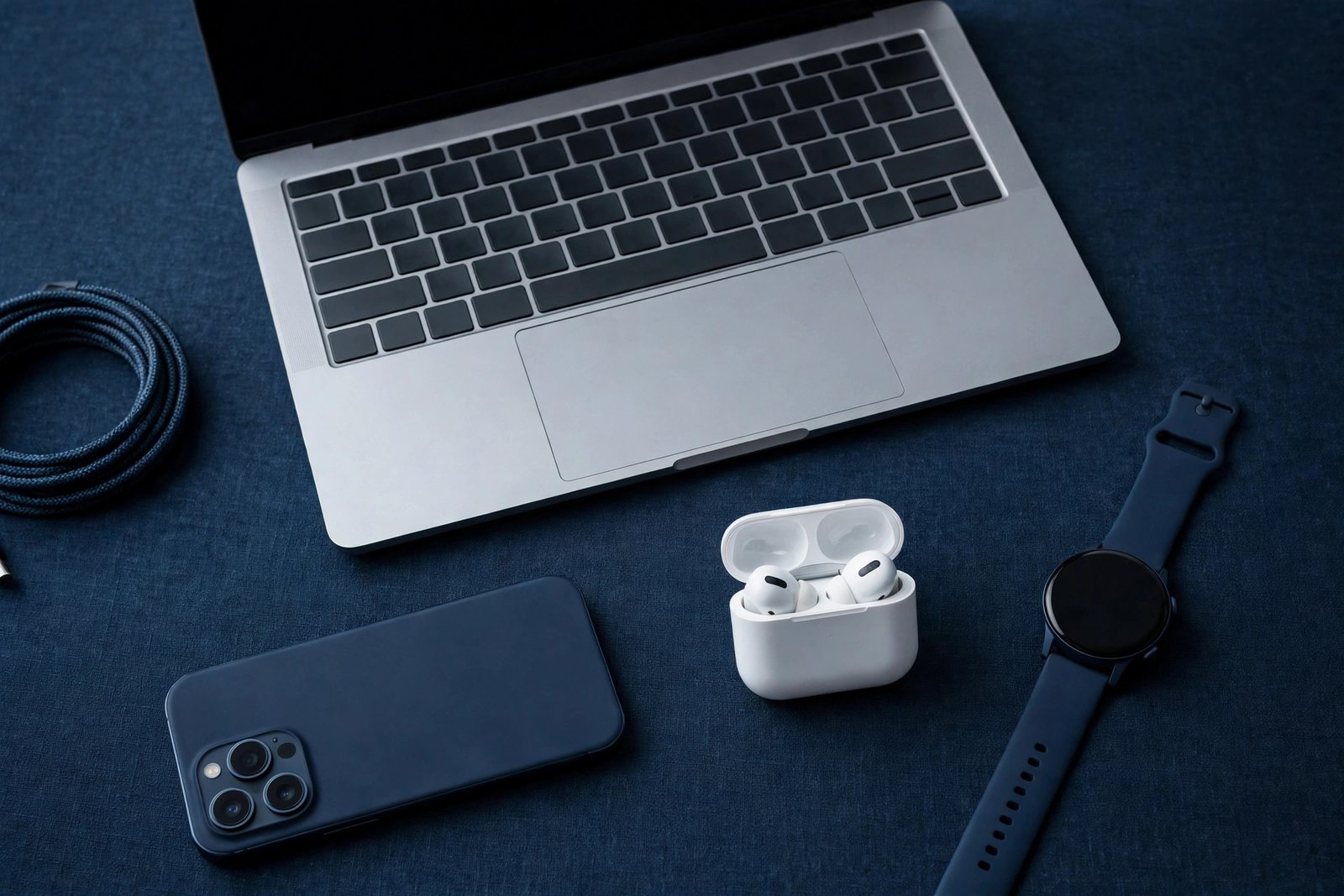
Top technology in 2026 is a crowded field. Every week brings a new app, a new device or a new claim that something will change everything. Most of it will not. A few things will. This guide cuts through the noise and looks at the technology that actually matters this year — what it does, who it helps, and how to pick the right tools for yourself.
If you are still getting your head around the basics, start with a plain guide to what modern technology means today first. The rest of this article builds on that.
Top Technology in 2026
The top technology that matters most this year is not the flashiest. It is the technology that saves time, solves a real problem, or quietly makes life easier. That is a useful test: if a tool needs a long explanation to sound useful, it probably is not.
This year, five areas stand out. AI assistants have moved from novelty to daily habit. Cloud services now run everything from family photos to whole businesses. Smart home devices have become cheap enough for ordinary homes. Security tools have become essential rather than optional. And fast, reliable connectivity ties all of it together.
What ties these together is a shift in who technology is for. Ten years ago, the newest tools were built for experts. Today, they are built for everyone. An AI assistant does not need training. A cloud backup does not need a manual. A smart speaker does not need a setup guide longer than a page. The best technology of 2026 is the technology you barely notice. That is the real promise of top technology in 2026.
The Top Technology Trends Right Now
Here are the trends that are actually changing daily life, not just headlines. These are the top technology trends to watch first.
AI assistants for everyone
AI assistants now write emails, summarise long documents, translate conversations and answer questions in plain language. Students use them to plan essays. Small businesses use them to draft replies. Busy parents use them to plan meals. The skill is no longer using the tool — it is asking it the right question and checking its answer.
Cloud services everywhere
Cloud storage and cloud apps have become the default. Your files follow you from phone to laptop, your photos survive a broken device, and a small team can share the same documents without ever emailing a file. For businesses, the cloud means starting without buying expensive hardware. For families, it means never losing the holiday photos again.
Smart homes go mainstream
Smart lights, speakers, cameras and thermostats used to be expensive toys. Prices have fallen, setup has become simple, and the pieces now work together instead of fighting each other. A normal home can now have lights that dim themselves, a doorbell that shows visitors on your phone, and heating that learns your routine — all set up in an afternoon.
Security tools for ordinary people
As more of life moves online, security has moved from an expert concern to an everyday one. Password managers, two-step sign-in and automatic backups are now built into the tools people already use. The trend is simple: protection that works in the background, without asking you to become an expert.
Top Technology for Work and Study
Work and study are where new technology pays off fastest, because the time saved is easy to see. That is why top technology choices matter most at work and in study.
For work, the winners are tools that remove boring tasks. An AI assistant drafts the first version of a report. A scheduling app finds a meeting time without ten emails. A shared document replaces the chaos of five versions of the same file. None of these replace judgement — they remove the chores around it.
For study, the winners are tools that organise information. A good notes app turns a messy lecture into something you can actually revise from. If you are choosing one, a roundup of the top note-taking apps is a good place to start — the right app depends on whether you type, handwrite or record. Video lessons, flashcards and practice quizzes all work better when the tool fits how you learn, not the other way round.
The mistake people make is collecting tools instead of using them. One notes app used daily beats five apps opened once. Pick one tool per job, learn it properly, and only add another when you hit a real limit.
Another habit that helps is a weekly review. Once a week, spend ten minutes looking at which tools you actually used and which ones sat untouched. Delete the ones you never open. A tidy set of tools is easier to learn and cheaper to keep, and it stops the slow pile-up of subscriptions you forgot about.

How to Pick the Right Top Technology for You
With so many options, a simple checklist helps more than any review. This top technology checklist keeps the choice simple.
First, name the problem. “I lose my notes” is a problem. “I want a new app” is not. The best tool is the one that fixes your actual problem, not the one with the most features.
Second, try before you pay. Almost every serious tool has a free version. Use it for a week on real work. If it saves you time in that week, it is worth paying for. If you forget to open it, it is not.
Third, check the basics: does it work on your phone and your computer? Does it back up your data? Can you export your work if you leave? A tool that locks you in is a risk, however good it looks today.
Fourth, ask someone who already uses it. A two-minute chat with a friend beats an hour of reading reviews, because a friend will tell you the annoying parts the marketing never mentions.
Finally, give a new tool time. The first day with any tool feels slow. The payoff comes in week two, when the habit forms. Judge a tool after a week of real use, not after an hour of poking around.
It also helps to write down what you chose and why. Six months later, when a new tool appears, you can check whether it actually beats what you have, instead of switching on a feeling. The best tool is usually the one you already know well.
Top Technology Mistakes to Avoid
Even good tools go wrong when people use them badly. Here are the mistakes to skip. Avoiding these top technology mistakes saves money and time.
The first is buying before trying. A paid subscription for a tool you use once is money gone. Free trials exist for a reason — use them.
The second is ignoring updates. Updates fix security holes and add features you already paid for. A tool that is two years out of date is a risk, not a bargain.
The third is putting everything in one place with no backup. Cloud services are reliable, but no service is perfect. Keep a second copy of anything you cannot afford to lose.
The fourth is trusting a tool too much. An AI assistant can write a confident-sounding answer that is simply wrong. A navigation app can send you down a closed road. Use the tool, but keep your own judgement switched on.
The fifth is chasing every trend. The people who get the most from technology are rarely the first to try everything. They are the ones who pick a few good tools and use them well for years.
The sixth is never learning the tool properly. Many people use only the surface of a good app — they never learn the shortcuts, the search or the settings that would save them hours. A single evening spent learning one tool properly can pay for itself many times over.
Frequently Asked Questions
What is the top technology in 2026?
The top technology in 2026 is AI assistants, cloud services, smart home devices, everyday security tools and fast connectivity. These are the tools most people actually use every day, not just the ones in the headlines.
Which technology should I learn first?
Start with the tool that solves your biggest daily problem — usually a notes app, a cloud backup or an AI assistant. Learn one well before adding another. That first top technology tool should solve a daily problem.
Is the top technology expensive?
Much of it is free to start. AI assistants, cloud storage and notes apps all have solid free versions. The paid versions are usually worth it only after the free one has proved useful for a few weeks.
How do I know if a new technology is worth trying?
Try the free version for a week on real work. If it saves you time or solves a problem you actually have, keep it. If you forget to open it, drop it and move on.
Quick Checklist
- Name the problem first, then find the tool — never the other way round.
- Try the free version for a week before paying anything.
- Check backup, export and cross-device support before committing.
- One tool per job, used daily, beats five tools used once.
- Keep your own judgement switched on, even with the smartest tools.

1 Comment
Pingback: Technology 7: 7 Top Trends You Should Know